Introduction
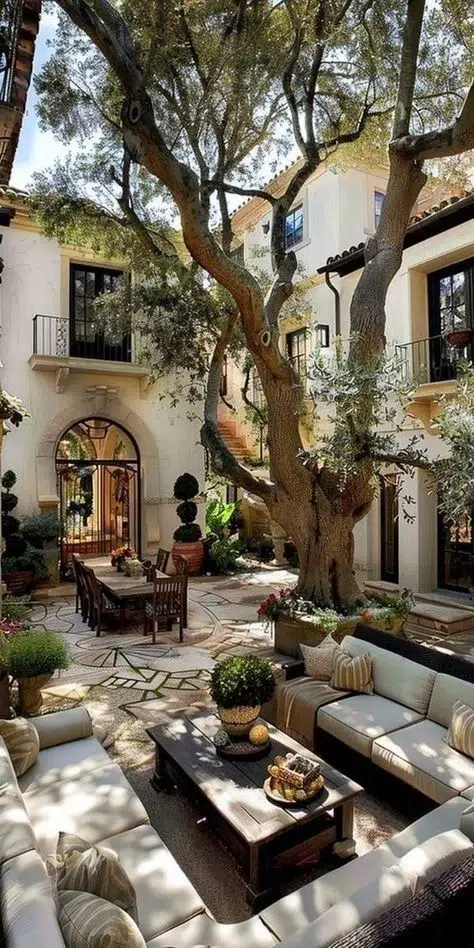
In the vibrant urban landscapes of Eastern and Southern regions, balconies and patios in Spain are far more than architectural elements—they are living, breathing manifestations of Spanish cultural identity. From the sun-drenched streets of Valencia to the historic quarters of Andalusia, these spaces embody centuries of social interaction, familial warmth, and architectural innovation.
For many British and Northern European buyers considering a home in Spain, balconies and patios may seem like simple architectural features. However, in Mediterranean Spain particularly in cities like Alicante and Murcia these spaces are far more than aesthetic additions; they are deeply ingrained in the culture, history, and daily life of Spanish urban dwellers. Understanding their significance provides insight into local lifestyle, urban planning, and even real estate value.

The Mediterranean Lifestyle: The Role of Outdoor Living
The origins of Spanish balconies and patios trace back to multiple cultural influences: Moorish architectural traditions, Mediterranean climate adaptations, and regional social practices. In Eastern regions like Valencia and Catalonia, wrought-iron balconies became prominent during the 18th and 19th centuries, while Southern regions like Andalusia developed intricate patio designs that served both functional and aesthetic purposes.
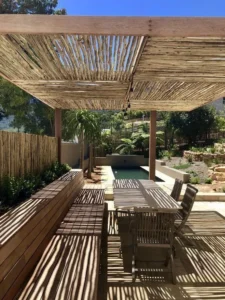
The warm climate of the Spanish Mediterranean coast encourages a lifestyle that seamlessly blends indoor and outdoor spaces. Unlike in Northern Europe, where unpredictable weather often forces people indoors, Spanish homes are designed to maximize fresh air, natural light, and social interaction. Balconies and patios function as extensions of the home, providing a semi-private refuge for relaxation, dining, and even community engagement.
In Alicante and Murcia, it is common to see residents enjoying coffee on their balconies in the morning, engaging in casual conversations with neighbours from across the street, or using patios as vibrant social hubs for family gatherings and celebrations.

A Historical Perspective: The Evolution of Balconies and Patios
The tradition of balconies and patios in Spain has deep historical roots:
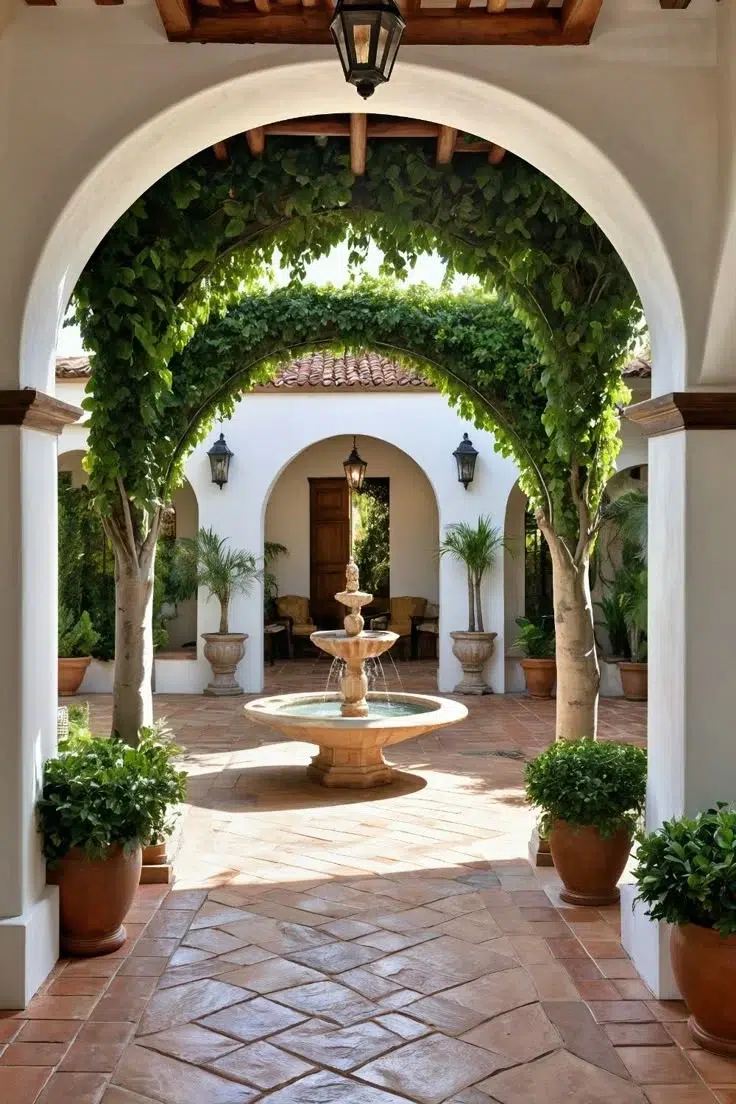
- Moorish Influence: The concept of the patio in Spain dates back to the Islamic period (8th–15th centuries), when houses were built around inner courtyards to provide shade and privacy. The famous Andalusian patios, seen in cities like Córdoba, have influenced the way Mediterranean homes integrate these spaces.
- Baroque and Neoclassical Eras: During the 17th and 18th centuries, ornate wrought-iron balconies became prominent, allowing people to engage with street life while maintaining a degree of separation.
- Modernist and Contemporary Designs: Today, Mediterranean urban planning continues to prioritize outdoor spaces, with contemporary buildings incorporating spacious terraces and open-air communal areas.
Social and Cultural Importance
Balconies and patios serve various functions in Spanish urban life:
- Community Engagement: In Spain, balconies often act as a social bridge between private and public spaces. People greet neighbours, watch festivals, or even partake in public events such as applause tributes (as seen during the COVID-19 pandemic).
- Seasonal Use: Unlike in Northern Europe, where balconies might be underutilized due to colder weather, Spanish residents use them year-round—adding awnings for shade in summer and enclosing them with glass for winter use.
- Symbol of Status and Identity: A well-maintained balcony with potted plants, decorative tiles, or elegant ironwork is seen as a mark of pride. Similarly, patios in traditional Spanish homes are often adorned with vibrant flora and fountains, reflecting a blend of aesthetics and functionality.
Balconies and Patios in Spanish vs. Northern European Architecture
There are significant differences in how these spaces are designed and used in Spain compared to Northern Europe:
| Feature | Spain (Alicante & Murcia) | Northern Europe (UK, Scandinavia) |
| Climate Influence | Designed for sun exposure and airflow | Often enclosed for insulation |
| Size and Function | Spacious, often used for dining and socializing | Smaller, sometimes just for ventilation |
| Privacy vs. Interaction | Balconies open to street, fostering community | More private, often detached from social use |
| Materials & Design | Wrought iron, colourful tiles, shaded awnings | Minimalist, glass enclosures |

Real Estate Considerations: Value, Demand, and Regulations
For foreign buyers, understanding the practical aspects of balconies and patios is crucial when investing in property in Alicante or Murcia.
- Impact on Property Value: A well-designed balcony or patio can significantly increase a property’s market appeal and resale value. Many British buyers specifically seek homes with terraces for sun exposure and entertainment purposes.
- Legal Considerations: In urban areas, building regulations may limit modifications to balconies, especially in historic districts. It is also common for homeowners to enclose balconies for extra living space, but such modifications often require approval.
- Preferences Among Buyers: While Spanish buyers often prioritize interior space, many foreign investors place higher value on large terraces and rooftop patios, making these features highly sought-after in the expat market.
Conclusion
Balconies and patios are not merely architectural afterthoughts in Spanish Mediterranean cities; they are a way of life. Their historical evolution, cultural importance, and practical benefits make them key elements of urban living in Alicante and Murcia. For British and Northern European buyers, investing in a property with a well-designed outdoor space means more than just adding a sunny spot to relax it means embracing a lifestyle centred around community, nature, and the vibrant Mediterranean spirit. Balconies and patios in Eastern and Southern Spain are more than architectural features they are living narratives of cultural identity, social connection, and environmental wisdom. They represent a unique intersection of history, design, and human interaction that continues to define the urban experience in these vibrant regions.
Looking to experience the charm of balconies and patios in Spain? Whether you are considering investing in a Mediterranean home or simply want to learn more about Spanish architecture, Spanish Architect is here to help. Explore our insights on design, real estate, and cultural heritage, and let us guide you in finding the perfect home with an outdoor space that suits your lifestyle. Contact us today to start your journey!