The Challenge of Seasonal Properties
In Alicante and Murcia, where 42% of property transactions correspond to foreign buyers (2024 data), second homes face specific challenges during prolonged periods of vacancy. 54% of properties in Spain present serious humidity problems, a figure that increases in seasonally occupied properties. During winter, interventions for humidity problems increase by 40% compared to summer. This guide outlines architectural and technological measures as seasonal transition solutions for homes, aiming to minimise damp, security and maintenance on the Mediterranean coast.
Specific Problems
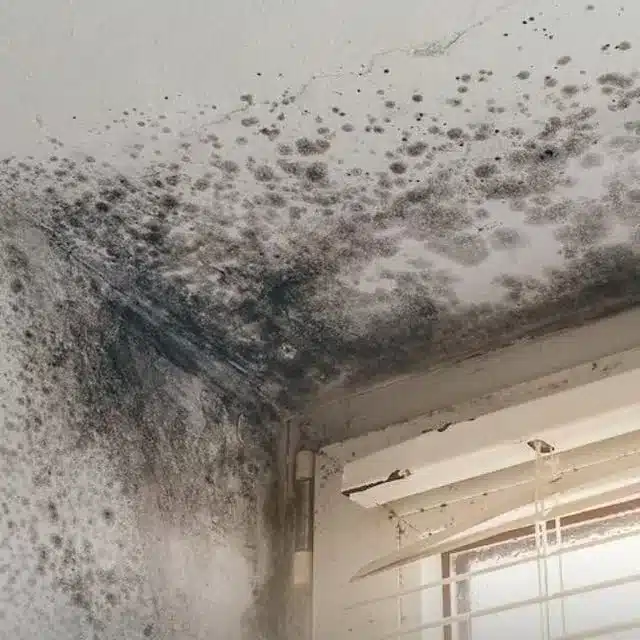
Condensation Humidity
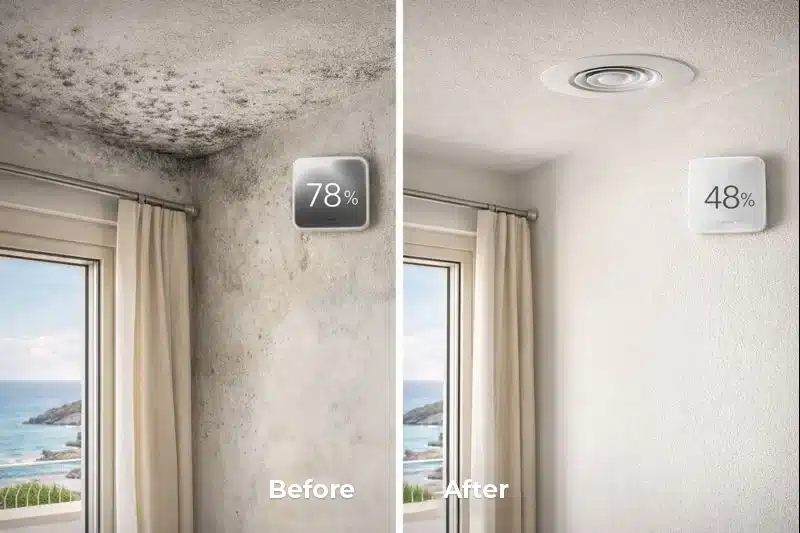
Properties closed for months generate condensation that causes mould and structural deterioration. On the Mediterranean coast, ambient humidity exceeds 70% in winter, reaching 80-85% indoors without ventilation. Corrective treatments range from €2,000 to €8,000 for 100m² properties, far exceeding prevention costs through adequate systems.
Security and Maintenance
Uninhabited properties are targets for illegal occupation in developments with low permanent density. Moreover, minor undetected problems evolve for months without supervision, generating exponentially greater damage. The Spanish Building Code (CTE DB HS-1) recommends quarterly inspections for seasonally occupied properties.
Passive Architectural Solutions
Intelligent design constitutes the first line of defence. Specialist architects in Alicante and Murcia implement:
- South orientation to capture winter solar radiation, reducing condensation even when unoccupied
- Motorised shutters for remote management and presence simulation (€300-450/unit)
- Enhanced thermal insulation, eliminating thermal bridges and cold walls
- Preventive waterproofing on roofs (from €45/m²) and ventilated facades (€80-120/m²)
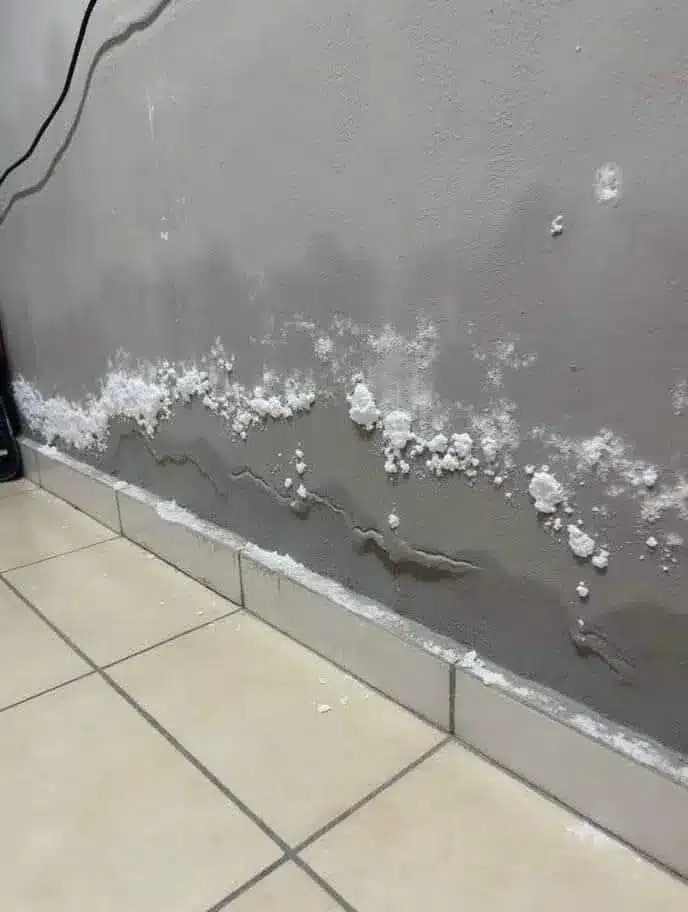
- Perimeter drainage in basements to prevent rising damp (€3,000-6,000)
Mechanical Ventilation: Definitive Solution
Regulatory Framework CTE DB HS-3
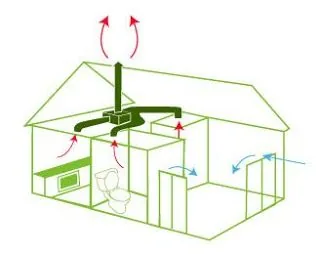
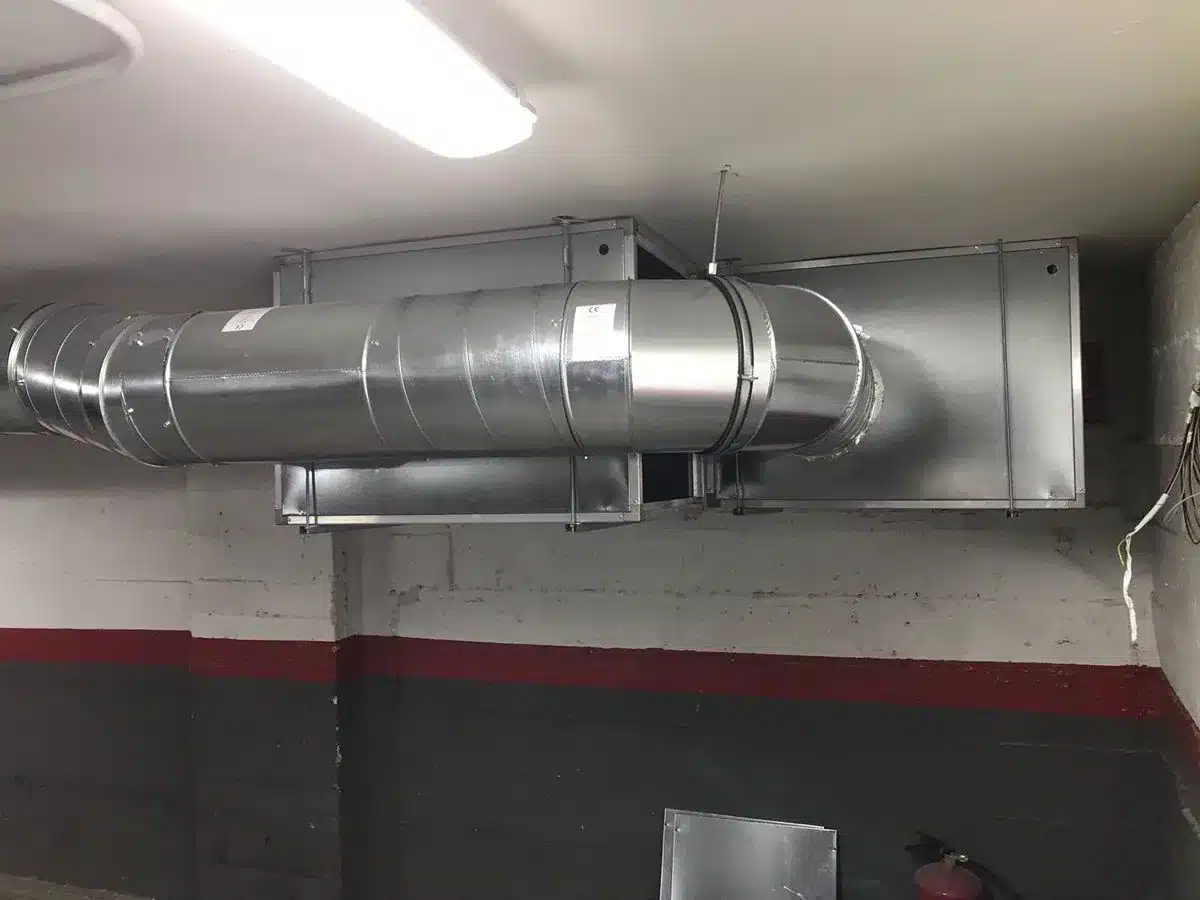
The Spanish Building Code requires all properties to have hybrid or mechanical ventilation. Natural ventilation does not guarantee minimum flow rates. For seasonally occupied properties, Mechanical Ventilation with Heat Recovery (MVHR) systems are the only solution guaranteeing air quality during prolonged absences.
Dual-flow MVHR with Heat Recovery
The optimal solution incorporates heat exchanger preheating incoming air (85-95% efficiency). It provides:
- Continuous renewal: 0.3-0.5 air changes/hour, eliminating condensation
- External air filtration against pollution and pollen
- Energy savings: up to €2,500/year in 150m² properties, 8-10-year payback
- Automatic hygrometric control according to detected humidity
Installation costs: 100m² (€4,000-5,500), 150m² (€6,000-8,000), 200m² (€8,000-11,000). Next Generation grants cover up to 40% of the cost (€3,000 limit) when reducing energy demand ≥7%.
Maintenance: filter cleaning every 3-6 months, ducts every 4 years. Annual professional cost: €150-300.
Home Automation for Remote Management
The Spanish home automation market grew 300% by 2024. For seasonal properties, these systems provide essential remote control:
Environmental Control and Security
- Smart thermostats: minimum antifreeze temperature and pre-conditioning (€150-350/zone)
- Humidity sensors with alerts >70% (€80-150/sensor)
- IP cameras with night vision and visual verification (€150-400/camera)
- Door/window opening sensors with instant notification (€30-60/sensor)
- Alarms connected to the monitoring centre with Police communication (€30-50/month)
- Flood detectors with automatic shut-off valves (€200-400/point)
- Smart locks without physical keys (€200-450 installed)
Investment by Level
Basic system (thermal control and basic security): €2,500-4,000. Intermediate system (includes CCTV): €4,000-7,000. Complete system (full MVHR integration): €7,000-12,000.
An automated property increases market value by up to 25%. Prevention of a single serious incident can exceed the total system cost.
Seasonal Opening and Closing Protocol
Closing Before Absence
- Remove damp textiles (curtains, carpets, bed linen)
- Water shut-off at stopcock, emptying traps with antifreeze
- Keep only security circuits, MVHR and home automation active
- Programme thermostat in frost protection mode (7-10°C) or dehumidification
Opening After Absence
- Intensive ventilation 4-6 hours with all windows open
- Visual inspection of humidity, joinery and installations
- Gradual tap opening and pipe purging
Professional management services: periodic inspections (€40-80/visit), incident management, property preparation (€60-120/intervention).
The Architect’s Role
Adapting existing properties requires professional analysis integrating construction, installations and regulations. Specialist architects in Alicante and Murcia offer:
- Complete audit: thermography (€300-500), airtightness test (€400-600), installation inspection (€300-800)
- Comprehensive technical project with MVHR design, home automation integration, envelope improvements and detailed budget (€1,500-3,000)
Firms such as Pacheco Arquitectos understand the particularities of the Mediterranean climate and the needs of non-resident owners, guaranteeing technically correct and economically optimised solutions.
Conclusion: Investment in Value and Peace of Mind
Comprehensive adaptation of a 100-150m² property in Alicante or Murcia requires an investment of €8,000-25,000:
- Dual-flow MVHR: €5,000-8,000
- Intermediate home automation: €4,000-7,000
- Complementary improvements: €3,000-6,000
- Technical project: €2,000-4,000
Quantifiable benefits: 15-25% revaluation, 30-40% energy savings, prevention of repairs >€10,000, and invaluable peace of mind. In the context where Alicante leads with 42% sales to foreigners, these adaptations protect significant property investments.
Seasonal transition finds answers in the intelligent combination of conscious design, appropriate technology and professional maintenance. The result: properties that maintain their value, protect investment and are always ready in the best conditions.
For more information on adapting second homes, registered architects in Alicante and Murcia, Pacheco Arquitectos, offer specialised advice guaranteeing optimised solutions compliant with current regulations.