The Renaissance of Residential Heritage in Eastern Spain
In the provinces of Alicante and Murcia, we are witnessing an exceptional architectural phenomenon: the transformation of historic buildings into luxury residences that scrupulously respect their heritage value whilst incorporating the most advanced amenities of the 21st century. This trend represents far more than a fashion; it constitutes a rediscovery of regional architectural wealth and an intelligent response to the demand for unique homes with soul and history.
Professionals specialising in historic homes restoration in Alicante and Murcia face the challenge of keeping architectural memory alive whilst creating habitable spaces that satisfy contemporary expectations of comfort and functionality. This delicate balance requires technical mastery and a profound understanding of regional cultural heritage.
“Each architectural restoration project is a dialogue between past and present, where our responsibility is to translate history into a habitable contemporary language,” explains a renowned architect specialising in historic heritage in Murcia.
Heritage rehabilitation in these Mediterranean regions benefits from an extraordinarily diverse architectural heritage, from 18th-century manor houses to early 20th-century modernist buildings, including traditional cortijos and former urban palaces awaiting a second life as luxury residences.

The Legal Framework: Navigating Heritage Rehabilitation in Alicante and Murcia
The renovation of historic buildings in Spain requires navigating a complex regulatory framework that protects cultural heritage whilst allowing its adaptation to contemporary uses. In Alicante and Murcia, historic house rehabilitation projects must comply with multiple levels of legal protection.
Heritage Protection Levels
Historic buildings in these provinces may be subject to different degrees of protection:
Integral Protection: Reserved for properties of maximum historic-artistic value, where only conservation and restoration works that maintain their original characteristics entirely are permitted.
Structural Protection: Allows certain flexibility in interior distribution whilst preserving structural elements, façades, and original roofs.
Environmental Protection: Applied in historic centres, where intervention must respect the harmony of the urban ensemble without necessarily maintaining all original building elements.
Administrative Procedures
Architectural restoration projects in Alicante require obtaining specific licences that may include:
- Favourable report from the Culture Department
- Specific municipal authorisation for heritage
- Prior archaeological study, when required
- Monitoring plan during work execution
In Murcia, the procedure is similar but adapted to specific regional regulations, which in some cases may be more flexible for certain types of interventions in non-catalogued buildings of historic value.
Tax Benefits and Subsidies
Public administrations in Alicante and Murcia offer significant incentives for heritage rehabilitation:
- Reductions in property tax for properties rehabilitated with respect to heritage criteria
- Subsidies for the restoration of specific architectural elements
- Tax deductions in personal income tax for investments in historic heritage
- Preferential financing lines through public institutions
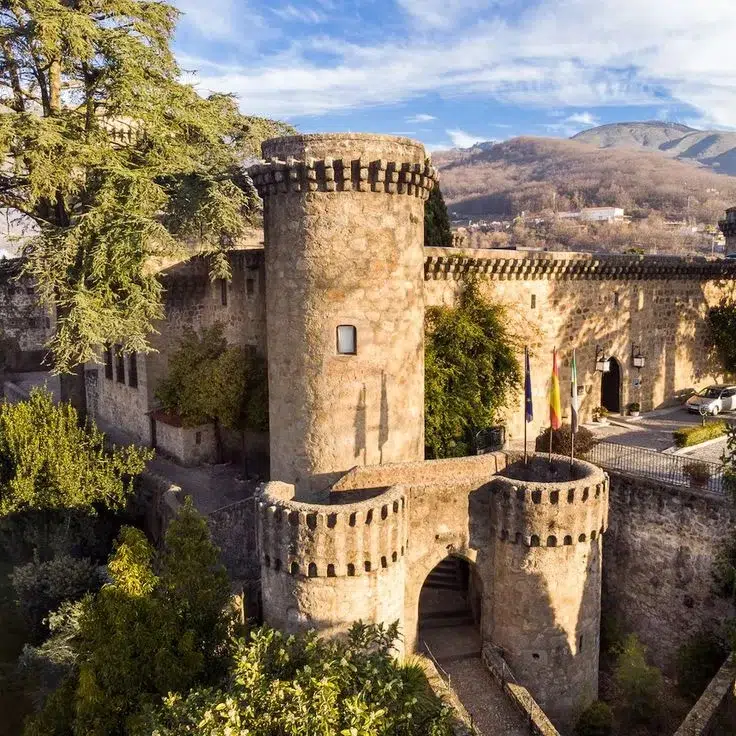
Historic Architectural Typologies: A Catalogue of Opportunities
The residential architectural heritage of Alicante and Murcia presents exceptional diversity that offers multiple opportunities for historic house rehabilitation. Each typology presents unique challenges and possibilities.
Urban Manor Houses
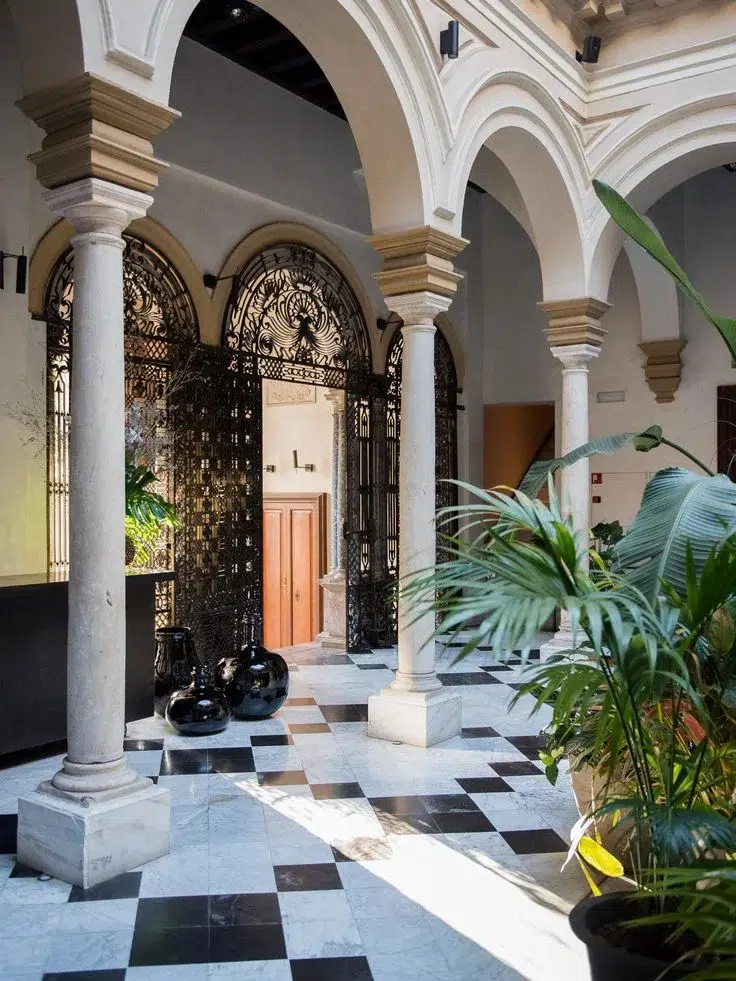
Manor houses in the historic centres of Alicante and Murcia represent some of the most prestigious opportunities for historic building renovation. These constructions, generally from the 17th to 19th centuries, are characterised by:
- Central courtyards with perimeter galleries
- Carved stone façades with elaborate decorative elements
- Distributions around the main courtyard with high-ceilinged rooms
- Singular elements such as marble staircases, plasterwork, and coffered ceilings
The transformation of these properties into contemporary residences allows the creation of exceptional luxury homes where historic spaces such as noble salons become spectacular reception areas, whilst former service dependencies are reconfigured as modern kitchens and family areas.
Traditional Cortijos and Farmhouses
In the rural areas of Alicante and Murcia, historic cortijos and farmhouses offer unique opportunities to create luxury residences in privileged natural settings. These traditional constructions feature:
- Thick masonry walls that provide excellent thermal insulation
- Arabic tile roofs with timber structure
- Courtyards and corrals that can be transformed into gardens and recreation areas
- Agricultural dependencies that allow creative contemporary uses
Architects specialising in historic heritage in Murcia have developed specific techniques to convert these rural constructions into residences that maintain their original agricultural character whilst incorporating modern amenities such as spas, private wine cellars, and art studios.
Urban Palaces and Noble Buildings
Minor urban palaces and residences of the historic bourgeoisie in cities such as Cartagena, Lorca, or Elche represent exceptional opportunities for large-scale heritage rehabilitation projects. These constructions typically include:
- Main marble staircases with artistic balustrades
- Reception halls with coffered or decorated ceilings
- Libraries and offices with original carpentry
- Private urban gardens with singular architectural elements
Modernist and Eclectic Architecture
The modernist heritage of the early 20th century in Alicante and Murcia offers fascinating possibilities for architectural restoration. These buildings, influenced by European artistic currents, feature:
- Façades with ceramic decoration and vegetal elements
- Innovative distributions for their time with fluid spaces
- Wrought iron elements of artistic quality
- Stained glass and decorative elements of great artistic value
Historic Industrial Buildings
Former factories, mills, and industrial constructions in Alicante and Murcia have become privileged targets for historic house rehabilitation with unique character. These constructions offer:
- Open-plan spaces of great height ideal for luxury lofts
- Iron and brick structures of great constructive quality
- Industrial elements such as cranes, hoists, and machinery that can be decoratively integrated
- Privileged urban locations in renewal areas

The Philosophy of Contemporary Architectural Restoration
The contemporary approach to heritage rehabilitation in Alicante and Murcia is based on principles that balance respect for history with modern habitability needs. This philosophy is articulated around several fundamental concepts.
Differentiated Conservation
The most successful historic building renovation projects apply differentiated conservation criteria, where each building element receives specific treatment according to its heritage value:
Elements of maximum value: Main façades, noble staircases, coffered ceilings, and singular decorative elements are preserved entirely through restoration techniques that respect original materials and techniques.
Elements of medium value: Structures, general distributions, and secondary architectural elements are maintained but may be adapted with reversible interventions that do not compromise their integrity.
Elements without heritage value: Obsolete installations, interior partitions without historic value, and added elements without quality are eliminated or replaced with contemporary solutions.
Reversible Intervention
One of the fundamental principles in modern architectural restoration is the reversibility of interventions. Architects specialising in historic heritage in Alicante design solutions that:
- Allow recovery of the building’s original state if necessary
- Use compatible materials that do not damage historic elements
- Employ constructive techniques that do not compromise the original structure
- Exhaustively document all modifications undertaken
Intervention Legibility
The most successful historic house rehabilitation projects in Murcia maintain a clear distinction between the historic and the contemporary, without creating imitations that confuse the architectural reading of the building. This approach is materialised through:
- Use of clearly differentiated contemporary materials
- Design of new elements with the current architectural language
- Clear temporal marking of different constructive phases
- Respect for the architectural stratigraphy of the building
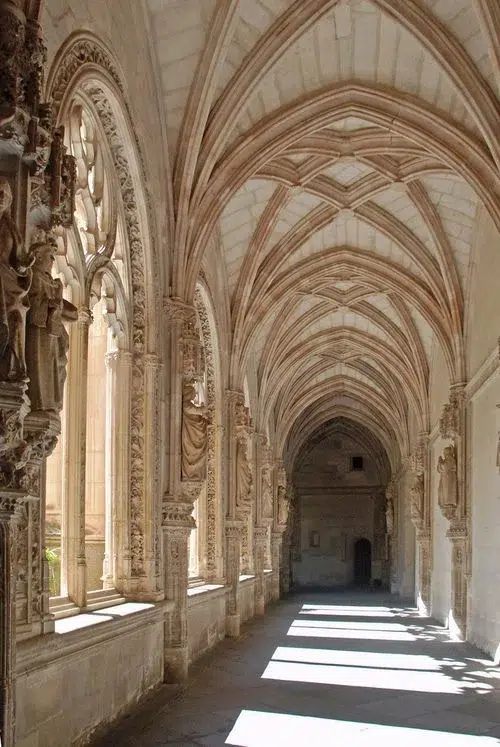
Rehabilitation Techniques: Fusing Tradition and Innovation
Successful heritage rehabilitation requires profound knowledge of traditional constructive techniques combined with intelligent application of contemporary technologies. Specialists in architectural restoration in Alicante and Murcia have developed specific methodologies that respect heritage whilst substantially improving habitability.
Structural Consolidation
Intervention in historic structures constitutes one of the most delicate aspects of any historic building renovation project. Applied techniques include:
Masonry wall reinforcement: Through injections of lime grouts and micro-mortars that improve internal cohesion without altering the physical characteristics of the original wall.
Floor consolidation: Historic timber floors are reinforced through techniques that include the addition of hidden metal profiles, carbon fibre reinforcement, and selective substitution of deteriorated elements.
Foundation improvement: Historic foundations are reinforced through micropiles and drainage systems that eliminate dampness by capillarity without altering the surface structure.
Restoration of Decorative Elements
Decorative elements constitute the soul of historic buildings. Their restoration requires highly specialised techniques:
Plasterwork and stucco: Restored through traditional techniques with compatible materials such as lime mortars, applying patinas and finishes that respect the original texture.
Historic carpentry: Timber carpentry is restored through consolidation techniques, partial substitution of deteriorated elements, and integration of glazing systems that improve insulation without altering the original design.
Ceramic elements: Historic ceramic coverings are restored piece by piece, reproducing lost elements through artisanal techniques that faithfully replicate the originals.
Integration of Modern Installations
One of the greatest challenges in historic house rehabilitation is integrating modern installations without compromising heritage value:
Climate control systems: Systems are designed that utilise hidden spaces within the building, such as under roofs or false chambers, to distribute air conditioning through discrete ducts and diffusers integrated into the historic architecture.
Electrical installations: Wiring is integrated by taking advantage of existing cavities in thick walls or creating minimal channels that do not compromise structural or decorative elements.
Plumbing and drainage: Techniques such as directional drilling are used to create new channels without affecting heritage elements, and sanitary appliances are integrated in ways that respect historic scale and proportions.
Improving Thermal Insulation
Improving energy efficiency in historic buildings requires specific solutions that do not compromise their heritage value:
Interior insulation: Interior thermal insulation systems are applied using breathable materials such as wood fibre or natural cork that do not alter the hygrothermal behaviour of historic walls.
Roof treatment: Historic roofs are insulated through systems that respect the original rafter and purlin structure, incorporating natural insulation between beams and improving ventilation of the under-roof space.
Efficient glazing: Double or triple glazing is installed in restored carpentry through techniques that maintain the original appearance whilst substantially improving thermal and acoustic insulation.

Technology Integration in Heritage Buildings
The incorporation of advanced technology in architectural restoration projects represents one of the most innovative aspects of contemporary heritage rehabilitation. Architects specialising in historic heritage in Alicante and Murcia have developed sophisticated strategies to integrate technological systems without compromising the historic integrity of buildings.
Invisible Home Automation
Home automation systems in historic buildings must be completely invisible so as not to alter the original spatial perception:
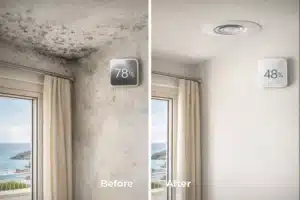
Automated environmental control: Systems monitor and automatically control temperature, humidity, and lighting using discrete sensors integrated into decorative elements or hidden in historic mouldings.
Carpentry automation: Historic shutters and blinds are automated through hidden mechanical systems that allow remote control without altering their traditional manual operation.
Integrated security systems: Security cameras and sensors are camouflaged in historic architectural elements or integrated into reproductions of decorative elements that maintain aesthetic coherence.
Specialised Architectural Lighting
Lighting in rehabilitated historic buildings must enhance the original architecture whilst providing contemporary visual comfort:
Specific spectrum LED: LED systems with variable colour temperatures are used that can adapt to different uses and times of day, respecting the chromatic perception of historic materials such as timber, stone, and textiles.
Accent lighting: Singular architectural elements such as plasterwork, coffered ceilings, and capitals are illuminated through hidden directional systems that enhance them without creating glare.
Integration in historic luminaires: Historic luminaires are restored and integrated with LED technology, maintaining their original function whilst dramatically improving their energy efficiency.
Heritage Monitoring Systems
Rehabilitated historic buildings incorporate monitoring systems that guarantee their long-term conservation:
Environmental sensors: Sensor networks continuously monitor temperature, relative humidity, air quality, and vibrations to detect conditions that might compromise conservation.
Early problem detection: Artificial intelligence systems analyse sensor data to predict problems such as dampness, structural movements, or material deterioration.
Predictive maintenance: Systems allow maintenance interventions to be scheduled before visible problems appear, optimising heritage conservation.

Emblematic Spaces: Successful Transformations
The most successful historic house rehabilitation projects in Alicante and Murcia demonstrate how it is possible to create exceptional contemporary residences that honour and enhance the original heritage value. Each architectural typology offers unique opportunities for creative transformations.
Historic Courtyard Transformation
Courtyards constitute the heart of traditional Mediterranean architecture. Their rehabilitation requires a delicate balance between conservation and adaptation:
Courtyards as climate regulators: Historic courtyards are reinterpreted as natural bioclimatic systems, incorporating native vegetation, summer misting systems, and harnessing natural air currents.
Integration of contemporary amenities: Historic courtyards are adapted to include outdoor living spaces, summer kitchens, and even small swimming pools that respect the original proportions and materials.
Reversible glazed covers: Some courtyards incorporate retractable glazed covers that allow their use throughout the year without permanently altering their original open character.
Conversion of Noble Spaces
Main halls and historic reception spaces are transformed into contemporary living areas that maintain their original grandeur:
Main salons: Former reception halls are adapted as family living rooms, maintaining elements such as historic fireplaces, coffered ceilings, and mouldings whilst integrating invisible audiovisual systems and contemporary furniture that respects the spatial scale.
Historic libraries: Former libraries are converted into contemporary studies and offices, preserving the original carpentry of bookcases whilst integrating LED lighting systems and communications technology.
Stately dining rooms: Historic dining rooms are adapted for contemporary family use, preserving elements such as decorated vaults and original pavements whilst improving acoustics and integrating discrete climate control systems.
Adaptation of Service Dependencies
Former service dependencies offer exceptional opportunities to create contemporary spaces with historic character:
Modern kitchens in historic spaces: Former service kitchens are transformed into contemporary kitchens that combine high-end equipment with historic elements such as fireplaces, stone sinks, and cupboards that are functionally integrated into the modern design.
Cellars and storage spaces: Former basements and cellars are converted into climate-controlled wine cellars, entertainment spaces, or even private gymnasiums, taking advantage of their natural temperature and humidity conditions.
Stables and coach houses: Former dependencies for animals and vehicles are transformed into contemporary garages, art workshops, or multipurpose spaces that maintain architectural elements such as stone mangers, drinking troughs, and exposed timber structures.
Creating Transition Spaces
The most successful projects create transition spaces that harmoniously connect the historic with the contemporary:
Glazed galleries: Glazed galleries are created that connect historic spaces with contemporary extensions, using modern materials such as steel and glass that contrast respectfully with the original architecture.
Contemporary staircases: In buildings where original staircases have disappeared or do not meet current regulations, contemporary staircases are designed that dialogue with the historic architecture without imitating it.
Hybrid spaces: Spaces are created that combine preserved historic elements with completely contemporary architecture, such as living areas that integrate historic walls with glass extensions towards gardens.
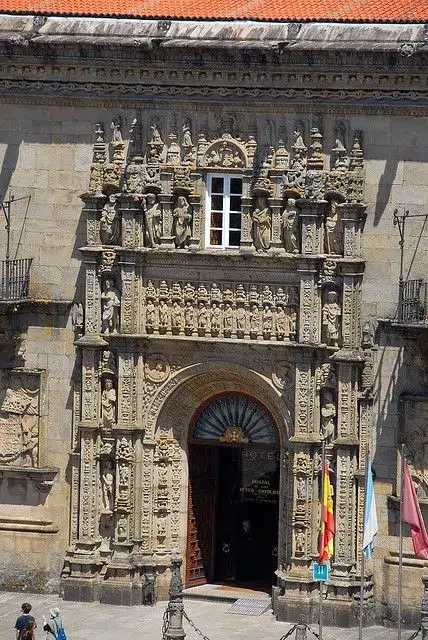
Investment Value in Rehabilitated Historic Heritage
The rehabilitation of historic houses in Alicante and Murcia represents an exceptional investment opportunity that combines economic profitability with cultural value. The luxury property market increasingly recognises the unique value of rehabilitated historic properties.
Differential Valuation
Rehabilitated historic properties in Alicante and Murcia show valuation patterns superior to the general property market:
Scarcity and exclusivity: The limited availability of quality historic buildings creates a market with unique characteristics where demand consistently exceeds supply.
International recognition: Rehabilitated historic properties attract international buyers who value the authenticity and unique character that cannot be replicated in new constructions.
Resistance to fluctuations: Heritage properties show greater resistance to property market fluctuations due to their irreplaceable character and intrinsic cultural value.
Profitability of Heritage Rehabilitation
Well-planned historic building renovation projects can generate returns superior to new constructions:
Leveraging incentives: Tax benefits and subsidies available for heritage rehabilitation can significantly reduce the total project cost.
Added value through specialisation: The complexity of these projects creates entry barriers that limit competition and allow superior margins for specialised developers.
Multiple monetisation channels: Rehabilitated properties can generate income through sale, luxury residential rental, specialised tourist rental, or cultural events.
Market Considerations
The rehabilitated historic properties market presents specific characteristics that investors must consider:
Specialised demand: Buyers of these properties are usually end users with high purchasing power and specific selection criteria related to authenticity and rehabilitation quality.
Marketing timeframes: Although demand is solid, sale times may be longer due to market specialisation and the need to find buyers who adequately value the unique characteristics of each property.
Specialised maintenance: Historic properties require specialised maintenance that must be considered in long-term profitability calculations.
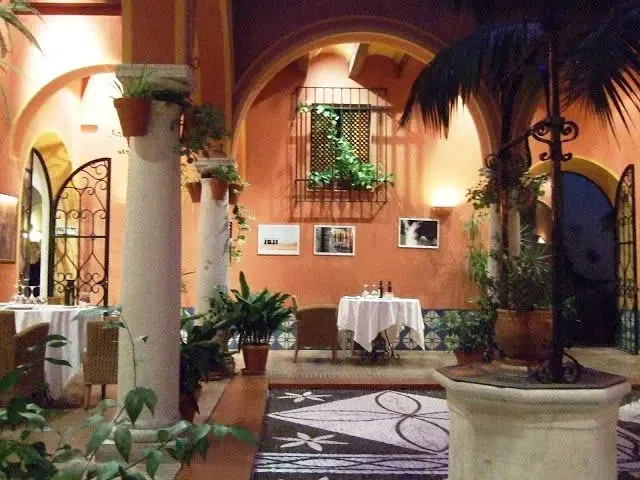
Sustainability and Energy Efficiency in Restoration
The integration of sustainability criteria in architectural restoration projects represents one of the most interesting challenges of contemporary heritage rehabilitation. Architects specialising in historic heritage in Murcia and Alicante have developed innovative strategies that dramatically improve energy efficiency without compromising historic value.
Leveraging Traditional Bioclimatic Systems
Historic buildings frequently incorporate natural bioclimatic systems that can be optimised with contemporary techniques:
Cross ventilation: Traditional courtyards and galleries are optimised through airflow studies that improve natural ventilation, reducing the need for mechanical climate control.
Thermal inertia: Thick walls of traditional masonry provide excellent thermal inertia that is enhanced through strategies of nocturnal ventilation and diurnal solar protection.
Solar chimneys: Historic towers and chimneys are reinterpreted as natural ventilation systems that harness the chimney effect to generate refreshing air currents.
Renewable Energy Integration
The incorporation of renewable energy systems in historic buildings requires creative solutions that respect heritage integrity:
Solar photovoltaic energy: Solar panels are integrated into historic roofs through systems that are not visible from public spaces, or are designed as architectural elements that dialogue with the original architecture.
Geothermal energy: Geothermal systems harness the thermal stability of the subsoil without affecting historic foundations, providing efficient and respectful climate control.
Solar thermal energy: Solar hot water systems are integrated into architectural elements such as restored chimneys or auxiliary structures that do not compromise the perception of the historic building.
Sustainable Water Management
Rehabilitated historic buildings incorporate advanced water management systems that combine tradition and innovation:
Rainwater harvesting: Traditional rainwater collection systems are restored and optimised with contemporary filtering and storage technologies.
Greywater reuse: Greywater treatment and reuse systems are installed that take advantage of historic elements such as old cisterns and stone channels.
Self-sustaining gardens: Historic gardens are replanned with native species and efficient irrigation systems that reduce water consumption whilst maintaining the original landscape character.
Sustainable Materials in Restoration
Material selection in historic house rehabilitation projects prioritises sustainable and compatible options:
Local materials: Regional materials are favoured such as stone from local quarries, timber from sustainably managed forests, and aggregates of local origin.
Recycled materials: Recycled and recovered materials that maintain coherence with the historic building are incorporated, such as recovered old tiles, salvaged timber, and architectural elements from other historic buildings.
Natural finishes: Traditional finishes such as lime mortars, mineral paints, and natural oils that are sustainable and compatible with historic materials are used.

Conclusion: The Future of Inhabited Heritage
The rehabilitation of historic houses in Alicante and Murcia represents much more than a property trend; it constitutes a cultural movement that redefines our relationship with architectural heritage. The most successful projects demonstrate that it is possible to create exceptional contemporary residences that honour the past whilst satisfying the needs and aspirations of the present.
The success of these architectural restoration projects lies in the combination of multiple factors: scrupulous respect for heritage value, intelligent application of contemporary technologies, profound understanding of legal regulations and, fundamentally, a vision that understands these buildings as living organisms that must continue evolving to maintain their relevance.
Architects specialising in historic heritage in these regions have developed a mature methodology that balances conservation and innovation, creating spaces that transcend mere functionality to become unique vital experiences. Each successful project establishes new standards of quality and sensitivity that raise the bar for future interventions.
Future Perspectives
The future of heritage rehabilitation in Alicante and Murcia points towards greater integration of sustainability criteria, energy efficiency, and climate change adaptation. Historic buildings, with their constructive wisdom accumulated over centuries, offer valuable lessons for contemporary sustainable architecture.
The incorporation of emerging technologies such as artificial intelligence for predictive maintenance, bio-based materials for restoration, and advanced energy management systems promises to open new possibilities for active heritage conservation.
The Value of Authenticity
In an increasingly homogenised world, rehabilitated historic homes offer something irreplaceable: authenticity. They are spaces that tell stories, that carry the memory of previous generations and that connect their inhabitants with a sense of historic continuity that no new construction can replicate.
For those seeking to transform a historic property into a contemporary luxury residence, the advice is clear: seek professionals specialising in heritage rehabilitation in Alicante and Murcia who understand both conservation techniques and the possibilities of contemporary innovation. The result will be much more than a house; it will be a habitable legacy that honours the past whilst embracing the future.
The renovation of historic buildings is not only an exceptional property opportunity; it is a cultural responsibility that, when executed with mastery, enriches both its inhabitants and the community that thus preserves its living architectural heritage for future generations.