In the world of elite residential architecture, luxury is no longer defined solely by traditional materials such as Carrara marble or noble woods. Visionary architects in Alicante and Murcia are leading a quiet revolution: the integration of innovative materials in elite residential architecture that combine exclusivity, functionality, and sustainability in ways that seemed impossible merely a decade ago.
This transformation is not merely aesthetic, but profoundly functional. The innovative materials we shall explore not only create visually striking spaces, but respond intelligently to their environment, maintain themselves, and significantly reduce the environmental impact of luxury dwellings.
Self-Healing Concrete: Science Fiction Made Reality
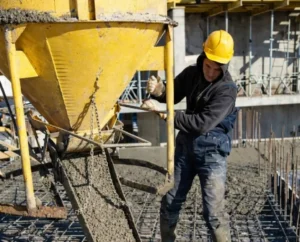
Imagine a material that repairs itself when damaged. Self-healing concrete or bio-concrete is no longer a futuristic fantasy, but a reality that is transforming luxury residential architecture throughout Europe, with pilot projects being developed in Spain.
How Does This Technological Marvel Function?
This revolutionary material incorporates specific bacteria (Bacillus pseudofirmus and Sporosarcina pasteurii) encapsulated alongside calcium lactate. When cracks appear and water enters, the capsules dissolve, “awakening” the bacteria which feed on the calcium lactate and secrete calcite, automatically sealing the fissure.
Chartered architects in Murcia and Alicante are beginning to specify this material for critical structural elements such as:
- Infinity pools that self-repair
- Retaining walls in hillside dwellings
- Foundations of Mediterranean villas exposed to thermal changes
Investment and Tangible Benefits
Currently, the cost of self-healing concrete doubles that of traditional concrete: whilst a cubic metre of conventional concrete costs around £65, this innovative material reaches £130/m³. However, studies demonstrate a 50% reduction in maintenance costs during the structure’s lifespan.
For a luxury villa of 500m², the additional initial investment of approximately £6,500 amortises within the first 10 years through maintenance savings.
Compact Mineral Materials: Krion and the New Generation
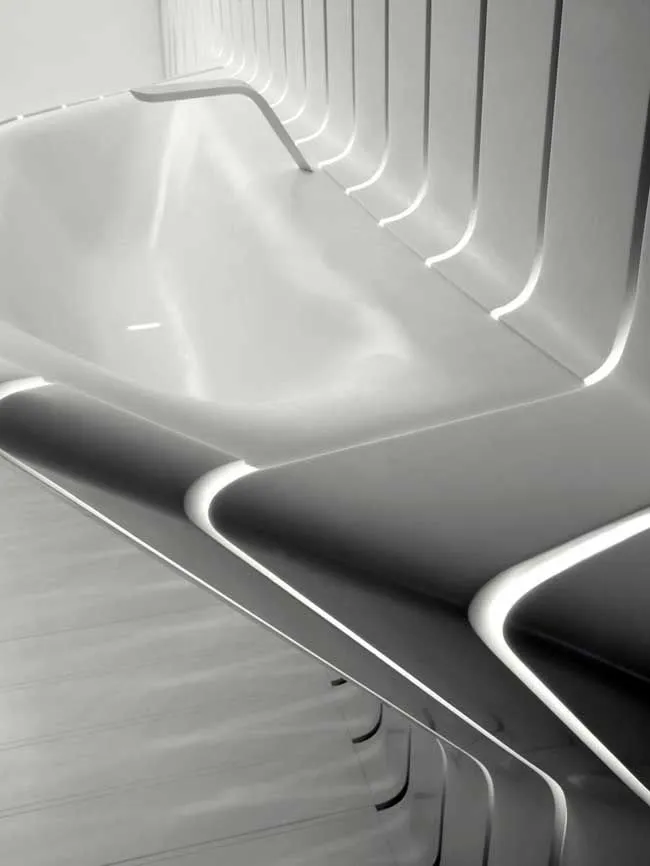
Compact mineral materials such as Krion are redefining aesthetic possibilities in elite residential architecture. These materials, composed of two-thirds natural minerals and one-third high-resistance resins, offer extraordinary properties.
Revolutionary Advantages in Luxury Design
Architectural practices in Alicante are integrating Krion into high-end projects due to its unique characteristics:
Thermoformable: Permits the creation of impossible forms with other materials, from seamless curved worktops to sculptural staircases that appear to flow like solidified water.
Antibacterial: Its non-porous surface naturally eliminates bacteria and fungi, perfect for gourmet kitchens and domestic spas.
Repairable: Minor damage can be repaired in situ through sanding and polishing, maintaining the surface like new for decades.
Exclusive Applications in Elite Dwellings
In luxury villas in Murcia, Krion is revolutionising spaces such as:
- Floating kitchen islands without visible joints
- Sculptural bathtubs carved from a single piece
- External cladding that resists Mediterranean solar exposure
The price range oscillates between £285-490/m² installed, positioning it as a premium alternative to traditional materials like Carrara marble.
Ultra-Thin Porcelain Stoneware: Elegance Without Limits
The evolution of porcelain stoneware, with thicknesses of merely 3-6mm, has created previously unthinkable architectural possibilities. This ultra-lightweight yet extremely resistant material permits applications that defy traditional construction physics.
Technical Innovation in Service of Design
Architects specialising in residential architecture in Alicante are utilising ultra-thin stoneware sheets for:
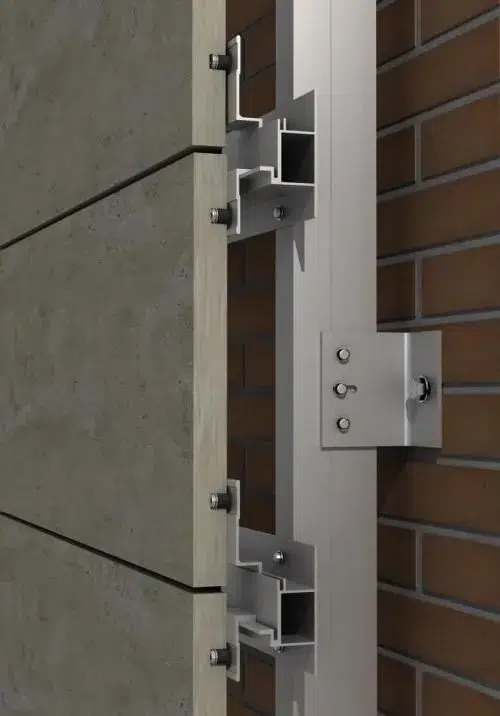
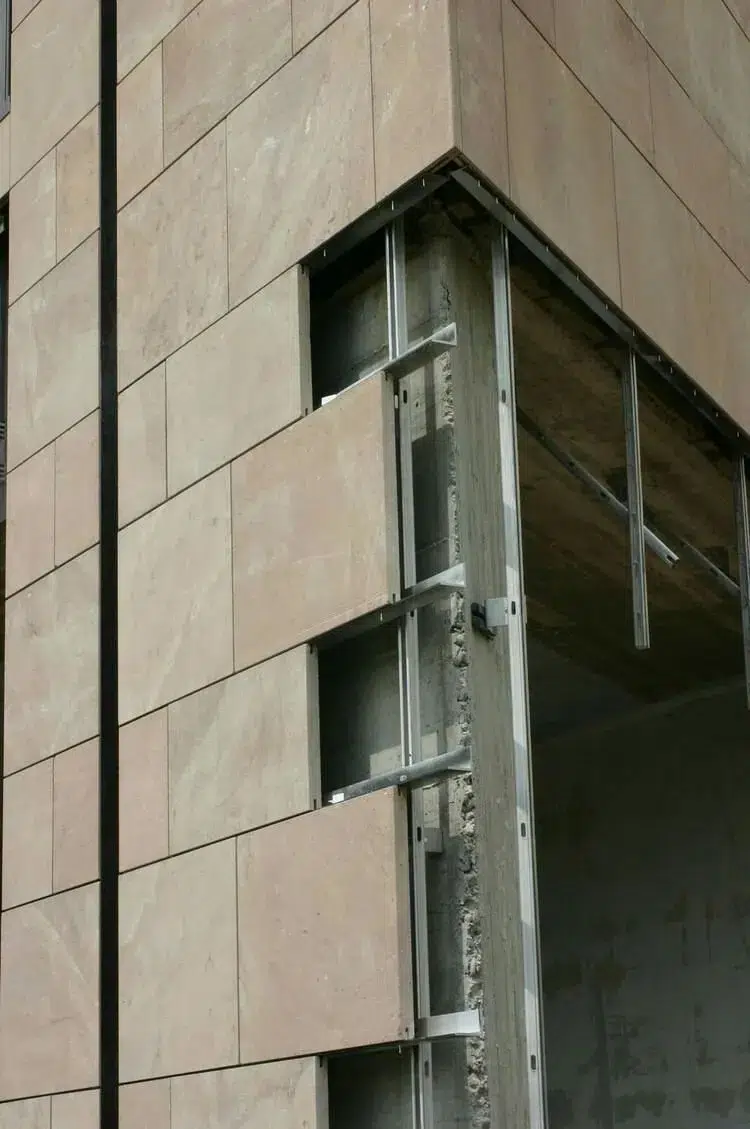
Spectacular Ventilated Façades: Large format panels (up to 3×1 metres) that perfectly simulate natural stones, noble woods, or even metallic textures, with 75% lower weight than the materials they imitate.
Integrated Furniture: Tables, shelving, and structural elements that appear to float, thanks to reinforcement with aluminium honeycomb structures.
Total Visual Continuity: The possibility of creating surfaces up to 1,000m² without apparent joints, generating spaces of extraordinary visual purity.
Cost-Benefit in Elite Projects
Ultra-thin porcelain stoneware positions itself between £147-325/m² depending on finish and format, with installation included. Its durability of over 50 years without maintenance makes it an exceptional investment for high-end dwellings.
Intelligent Reactive Materials: Surfaces That Respond
The frontier between material and technology blurs with intelligent reactive materials. These elements respond to environmental stimuli such as light, temperature, or even human touch, creating unique sensory experiences.
Sensitive Tiles with Optical Fibre
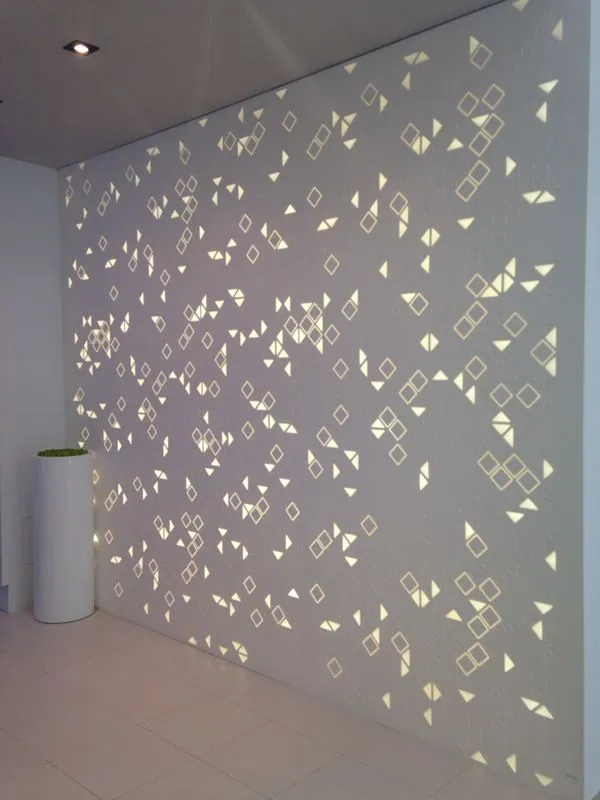
A revolutionary development comprises tiles with acrylic fibre that react to movement, touch, and light sources. The integrated optical fibre transmits light and reacts by sparkling, illuminating, or capturing and dispersing colours across its surface.
Applications in Luxury Architecture:
- Reception floors that illuminate when walked upon
- Master bedroom walls that respond to presence
- Swimming pools with reactive lighting that changes with water movement
Chartered Architects in Murcia are integrating these technologies into exclusive projects, with costs ranging between £650-1,220/m² installed.
Phase Change Materials
PCM (Phase Change Materials) absorb and release large quantities of heat when changing state, naturally regulating interior temperature. In the Mediterranean climate of Alicante and Murcia, these materials integrated into walls can reduce energy consumption for climate control by up to 40%.
Architecturally Integrated Solar Panels: Invisible Energy
The architectural integration of photovoltaic systems has evolved towards solutions that are indistinguishable from conventional façade materials.
Next-Generation Solar Tiles
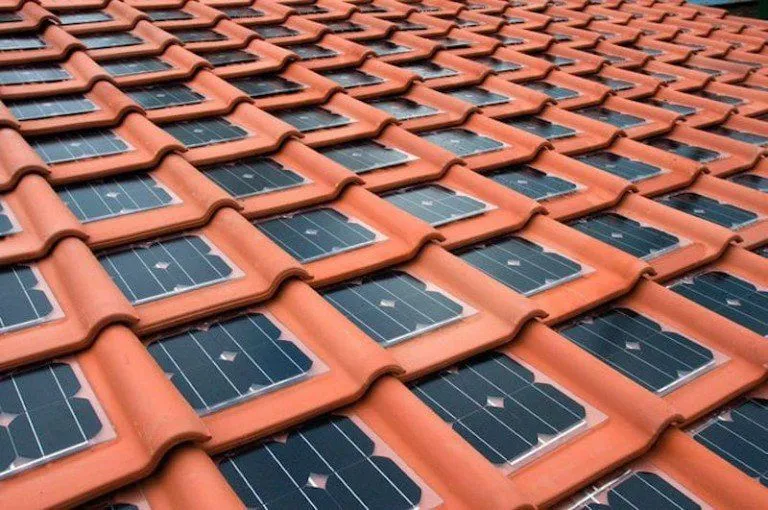
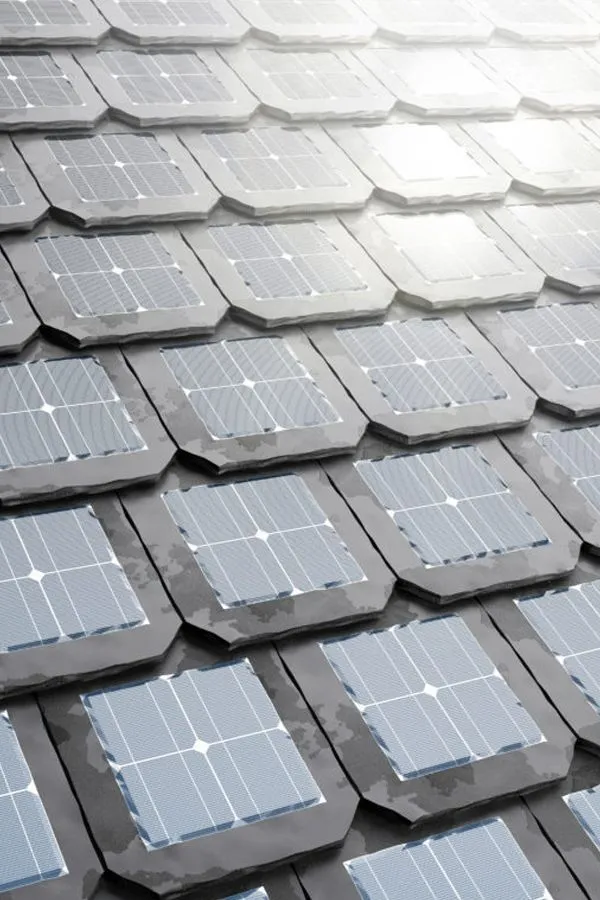
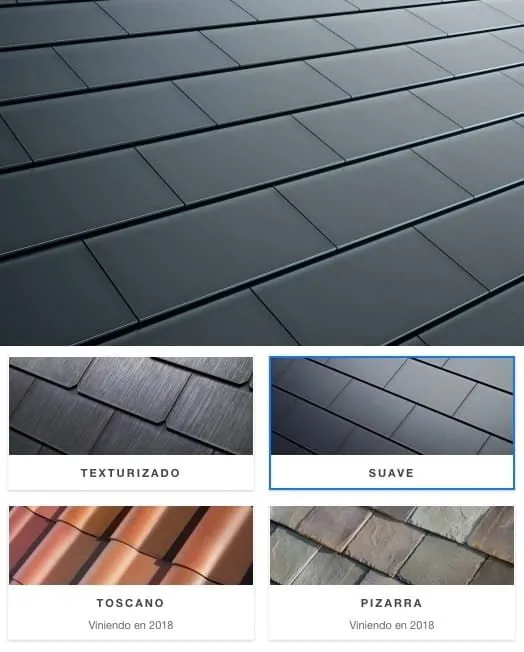
Current solar tiles perfectly imitate traditional Mediterranean materials such as:
- Traditional curved ceramic tiles
- Natural slate
- Titanium zinc
With efficiencies exceeding 22% and 25-year guarantees, they represent an investment of £325-570/m² that amortises within 8-12 years through energy savings.
Transparent Photovoltaic Windows
Windows that generate electricity whilst maintaining total transparency are beginning to be applied in luxury architecture projects on the Mediterranean coast. With current costs of £650-980/m², they offer 10-15% efficiencies whilst maintaining visual comfort.
Investment and Returns: The Economic Factor of Innovation
Cost-Benefit Analysis for Typical Villa (500m²)
Additional Initial Investment in Innovative Materials:
- Self-healing concrete (foundations): +£6,500
- Krion (kitchens and bathrooms): +£20,300
- Ultra-thin stoneware (façades): +£28,500
- Integrated photovoltaic systems: +£32,500
- Total additional investment: £87,800
Return on Investment:
- Maintenance savings (20 years): £36,600
- Energy savings (20 years): £69,200
- Property revaluation: +15-20%
- Estimated ROI: 12-15 years
Innovation Financing
Many autonomous communities, including Valencia and Murcia, offer subsidies of 20-35% for sustainable and innovative materials in residential construction.
Success Stories in the Spanish Mediterranean
Mediterranean Villa in Altea (Alicante)
A pioneering project utilised self-healing concrete in an infinity pool and Krion throughout all wet surfaces. After 3 years, zero maintenance interventions in elements that traditionally require annual revision.
Bioclimatic Residence in La Manga (Murcia)
Complete integration of ultra-thin porcelain stoneware in a ventilated façade, reducing structural weight by 65% and permitting cantilevers impossible with traditional materials.
Conclusion: The Future is Today in Elite Residential Architecture
Innovative materials have ceased being experimental to become proven solutions offering tangible advantages: reduced maintenance, greater durability, superior energy efficiency, and previously unthinkable aesthetic possibilities.
For proprietors seeking dwellings that transcend the conventional, these materials represent an investment in the future. They not only create more exclusive and functional spaces but also demonstrate a commitment to innovation and sustainability.
Architects specialising in Alicante and Murcia who master these technologies are positioned to create the most advanced luxury dwellings in the Spanish Mediterranean, combining regional architectural tradition with the world’s most cutting-edge innovations.
Are you ready to revolutionise your residential project with materials of the future? At Pacheco Arquitectos, we specialise in integrating these innovative technologies into elite residential architecture projects in Alicante and Murcia. As Chartered Architects and Registered Architects, we guarantee the highest technical quality in every project.
Contact us for a personalised consultation on how these revolutionary materials can transform your architectural vision into reality, creating spaces that not only impress today but will continue being avant-garde for decades to come.