In the current landscape of residential architecture in southeastern Spain, an innovative concept is emerging that is transforming the way foreign residents connect with their surroundings: integrated interpretation centres. Visionary professionals in Alicante and Murcia are leading a trend that goes beyond simply constructing homes, creating spaces that facilitate authentic immersion in local culture, gastronomy, and traditions.
The concept of residential interpretation centres
Traditionally, interpretation centres have been independent museums or tourism facilities. However, the new generation of architects on the Spanish Mediterranean coast is reimagining this concept, organically integrating it into residential developments intended for international buyers.
An integrated interpretation centre is not simply an exhibition room within an estate. It is a living, dynamic space that functions as the cultural nucleus of the residential complex, designed to facilitate a deep understanding of the cultural context in which new residents have chosen to settle.
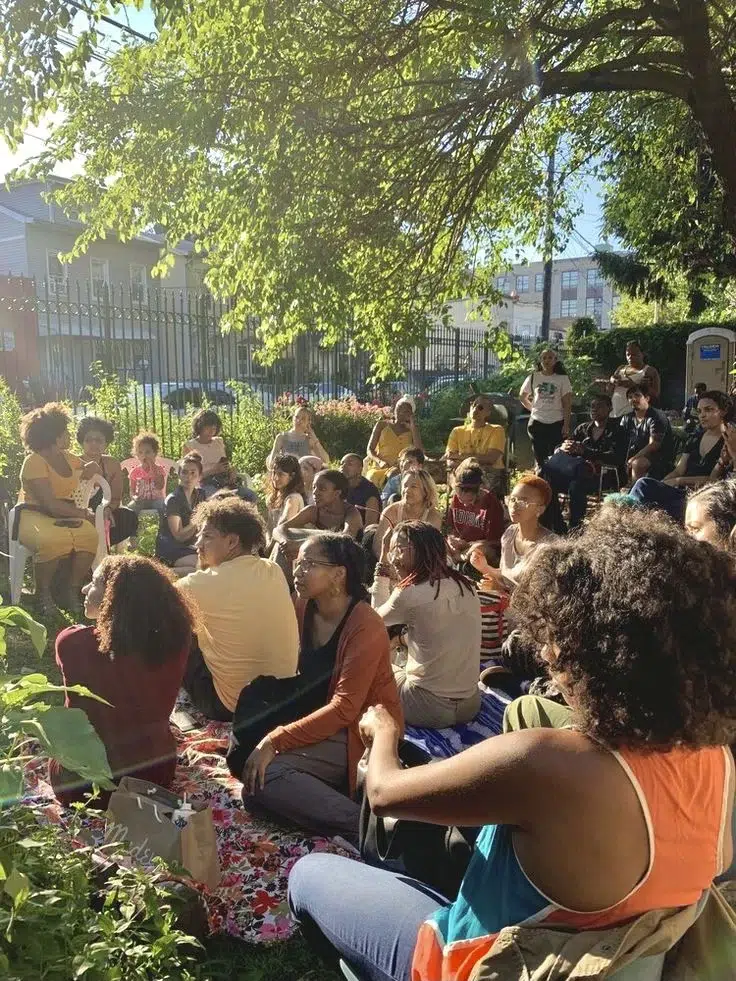
This approach responds to a real need: many foreigners who acquire properties in regions such as Alicante and Murcia desire more than just sun and beach. They seek an authentic connection with local culture, to understand the traditions that give character to their new home and to participate actively in community life.
Architecture that communicates: designing interpretive spaces
Specialised architects in Murcia are developing spaces that balance educational functionality with architectural beauty. These centres are characterised by:
Flexible and multifunctional spaces
The contemporary design of these centres favours versatility. An experienced architect in Alicante can conceive spaces that during the day function as exhibition rooms about local crafts, and in the afternoon transform into classrooms for gastronomic workshops or Spanish lessons.
The architecture of these spaces typically incorporates:
- Mobile panel systems that allow areas to be reconfigured according to activity
- Adaptable lighting that can enhance exhibitions or create intimate environments for cultural events
- Transition zones that connect interpretive spaces with common residential areas
- Terraces and courtyards that extend cultural activities outdoors, taking advantage of the Mediterranean climate
Integration with the residential fabric
Unlike isolated facilities, these centres are designed as an organic part of the residential development. Architects in Murcia are creating natural routes that invite residents to discover these spaces in their daily lives, without seeming contrived or artificial.
The strategic location near common areas such as swimming pools, gardens, or sports facilities encourages spontaneous encounters between residents of different origins, facilitating natural cultural exchange.
Contents and experiences: beyond static information
What distinguishes a successful integrated interpretation centre is not only its architecture, but the quality and relevance of its contents. The most sophisticated residential developments in Alicante are incorporating:
Gastronomy as a universal language
Mediterranean cuisine is one of the most accessible and appreciated cultural elements. Interpretation centres are dedicating significant spaces to the transmission of gastronomic knowledge:
- Teaching kitchens where local chefs share traditional techniques
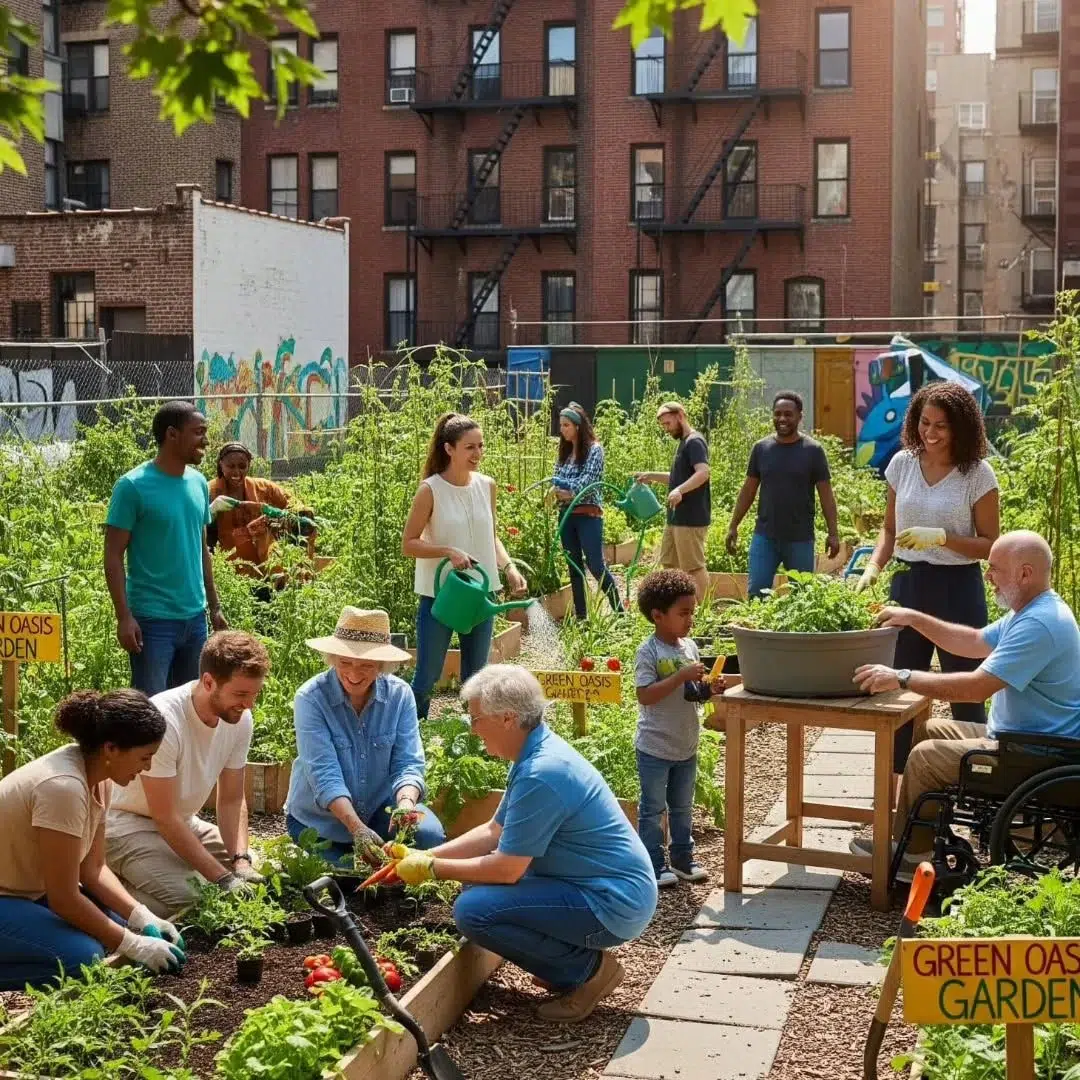
- Demonstration gardens with native varieties of vegetables and aromatic herbs
- Educational wine cellars that explain the region’s winemaking tradition
- Spaces for guided tastings that contextualise local products
An architect specialising in residential developments in Murcia comments: “We have observed that shared gastronomic experiences are the best catalyst for cultural integration. The design must facilitate these encounters”.
Traditional crafts and trades
The preservation of artisanal techniques finds an unexpected ally in these spaces. The centres are incorporating:
- Traditional pottery workshops where local artisans transmit centuries-old techniques
- Spaces for the demonstration of trades such as forging, esparto grass work, or the creation of traditional musical instruments
- Permanent galleries that exhibit and contextualise local craftsmanship
- Artist-in-residence programmes that invite artisans to work on-site
Local history and heritage
Understanding the historical context profoundly enriches the experience of residing in a place. Architects in Alicante are designing spaces that:
- Use interactive models to explain local urban and architectural evolution
- Incorporate timelines that contextualise relevant historical events
- Create visual connections with heritage elements visible from the development
- Integrate traditional building materials as interpretive elements in themselves
Technology in the service of cultural interpretation
Technological innovation enhances the interpretive experience without displacing authenticity. The most advanced projects in Murcia integrate:
Immersive audiovisual systems
Screens and projections that recreate traditional festivities, historical landscapes, or artisanal processes without requiring complex installations. Technology remains discreet, activating when residents wish to delve deeper into a specific topic.
Multilingual interactive applications
Digital tools that allow residents of diverse origins to access information in their native language, facilitating comprehension whilst learning Spanish. Some architects in Alicante are incorporating proximity-activated audio guide systems that enrich the experience without requiring manual intervention.
Contextual augmented reality
Applications that, when focusing on specific architectural or landscape elements, reveal layers of historical, cultural, or natural information. This technology allows learning to continue beyond the interpretation centre, transforming the entire residential environment into an educational space.
Spaces for intercultural encounter
Beyond unidirectional knowledge transmission, these centres function as facilitators of intercultural dialogue. Architects are designing:
Informal conversation areas
Welcoming spaces where local and foreign residents can share experiences in a relaxed environment. The arrangement of furniture, warm lighting, and controlled acoustics are architectural elements that favour genuine conversation.
Specialised community libraries
Curated collections of books, documentaries, and materials about the region in various languages. These spaces, designed by sensitive architects in Murcia, go beyond the conventional library, incorporating reading areas that invite permanence and discovery.
Multicultural event halls
Multipurpose spaces where everything from lectures on local history to celebrations of festivities from diverse origins are held. Flexible architecture allows the same space to host a talk about traditional architecture in the morning and a Lunar New Year celebration in the evening.
Benefits for the residential community
The integration of interpretation centres in residential developments generates value across multiple dimensions:
Community cohesion
Facilitates the creation of meaningful bonds between residents of different origins. Studies on multicultural communities demonstrate that shared knowledge of local culture reduces barriers and generates mutual respect.
Enhancement of the residential experience
Transforms residence from simple accommodation into a complete life experience. International buyers increasingly value developments that offer cultural content in addition to traditional amenities.
Active cultural preservation
By financing and hosting cultural activities, these developments contribute to the preservation of traditions that might otherwise be lost, creating a benefit for the entire local community.
Genuine integration
Reduces the isolation that foreign communities sometimes experience, facilitating their active participation in local cultural life and their eventual integration as full members of the community.
Architectural design considerations
Architects specialising in these projects in Alicante consider specific aspects:
Universal accessibility
The design must ensure that people of all ages and capabilities can fully participate in cultural activities. This includes not only ramps and lifts, but also interpretation systems that accommodate different sensory capabilities.
Sustainability and local identity
Building materials and bioclimatic solutions should reflect local building tradition, turning the building itself into an interpretive element. An architect can use local stone, traditional natural ventilation systems, or geometries inspired by vernacular architecture.
Human scale and warmth
Unlike conventional museums, these spaces must feel welcoming and intimate. The architecture should invite unhurried permanence and discovery, not rushed visits.
The future of intercultural residential architecture
The trend towards integrating interpretation centres in residential developments represents a mature evolution of the international property market in the Spanish Mediterranean. Sophisticated buyers seek authentic and enriching experiences, not just properties with attractive views.
The most visionary architects in Murcia and Alicante are responding to this demand by creating developments that function as true cultural bridges. These projects demonstrate that it is possible to welcome international residents in a way that enriches both newcomers and the local community.
Conclusion: architecture with cultural purpose
Integrated interpretation centres represent a fortunate convergence between quality residential architecture, cultural responsibility, and the creation of genuine community. In regions with rich cultural heritage, such as Alicante and Murcia, these spaces are redefining what it means to create a truly successful residential development.
For developers and investors contemplating residential projects aimed at international markets, consulting with an architect in Alicante or Murcia who understands this cultural dimension can make the difference between simply creating housing and creating true homes that honour and celebrate their cultural context.
The result is an architecture that not only provides shelter but builds bridges of understanding, preserves heritage, and enriches the experience of living in the Spanish Mediterranean. An investment in culture that benefits all members of the community, both local and international.