Typical Apartment Layouts in Alicante and Murcia
Living Spaces in Spain differ significantly from those in the UK and Northern Europe, influencing how homes are designed and used. For many foreigners looking to buy or rent a home in Spain, especially in regions like Alicante and Murcia, apartment layouts and cultural norms can feel quite different from what they are used to. From room distribution to the importance of outdoor areas, understanding these differences will help you make an informed decision when searching for your ideal home in Spain.
In this article, we’ll explore:
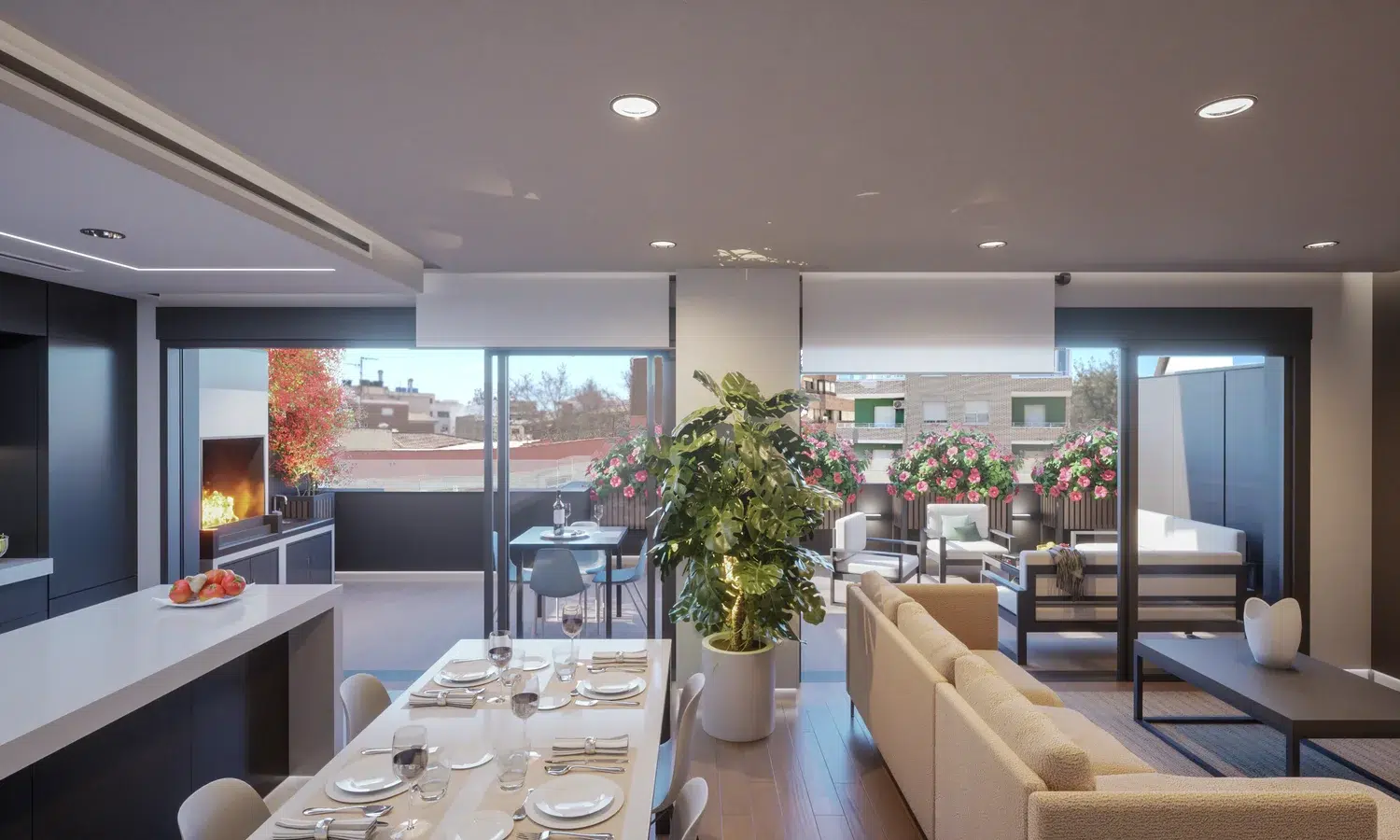
Room Distribution: Separate Spaces Over Open Plan
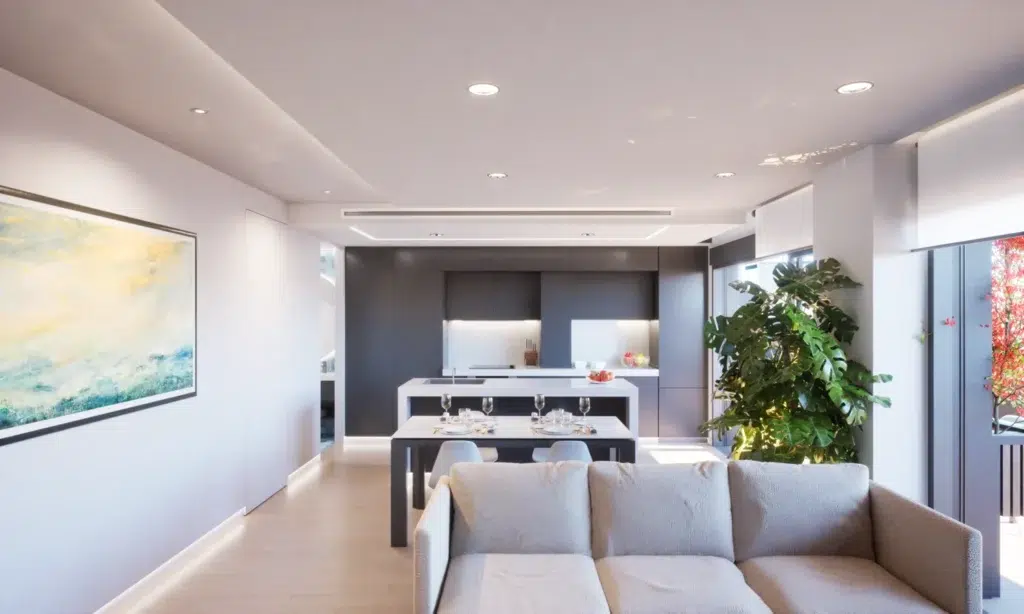
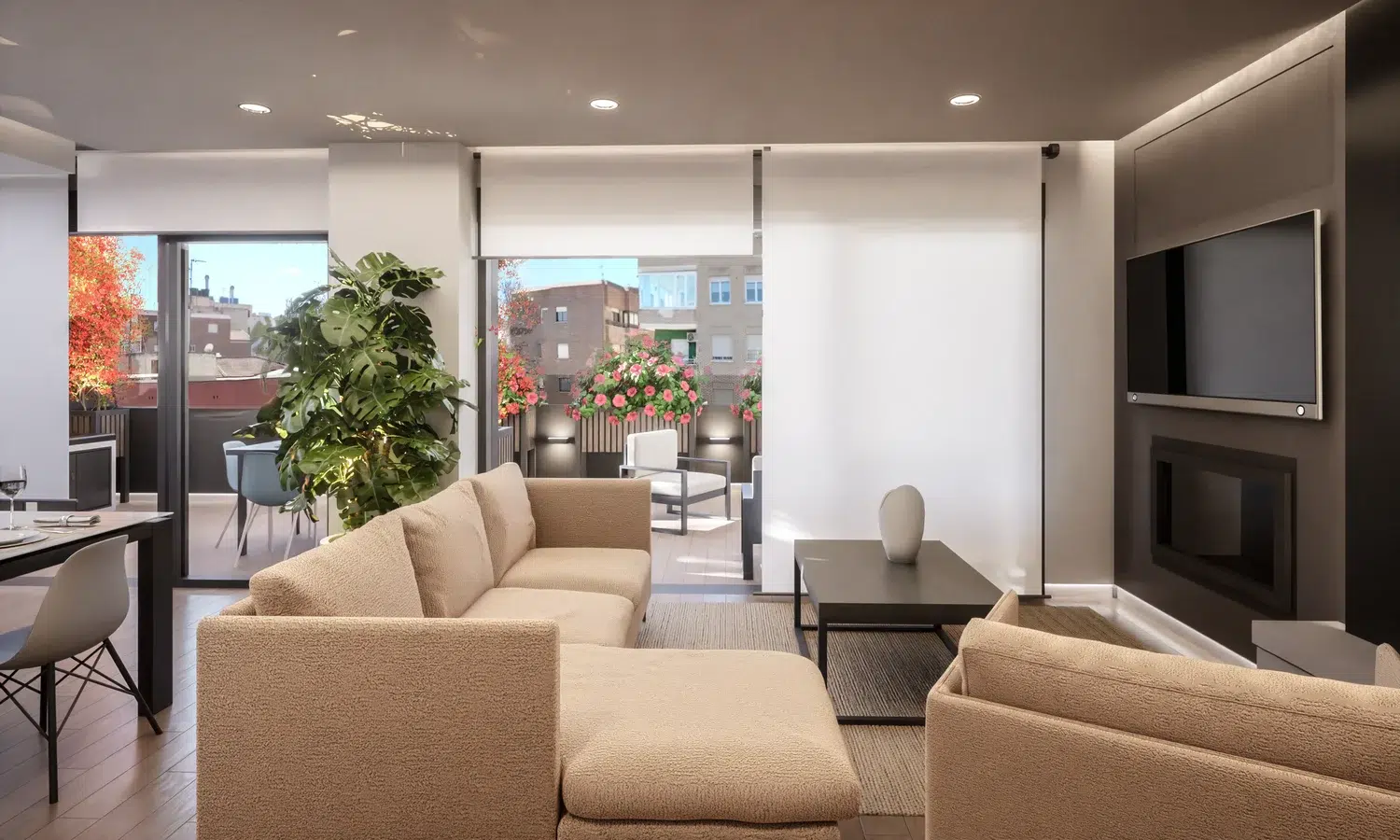
Unlike in many Northern European homes, where open-plan kitchens and living rooms are common, Spanish apartments often favor separate rooms. The kitchen is typically enclosed, sometimes with a small breakfast area, while the living room is the primary space for socializing.
This design is partly due to tradition but also practical reasons—separate kitchens help contain cooking smells, which can be strong due to the Mediterranean diet’s use of garlic, olive oil, and seafood.
Balconies and Terraces: A Must-Have
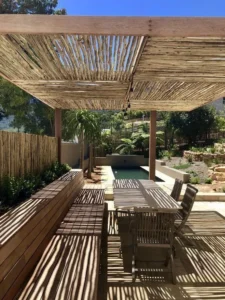
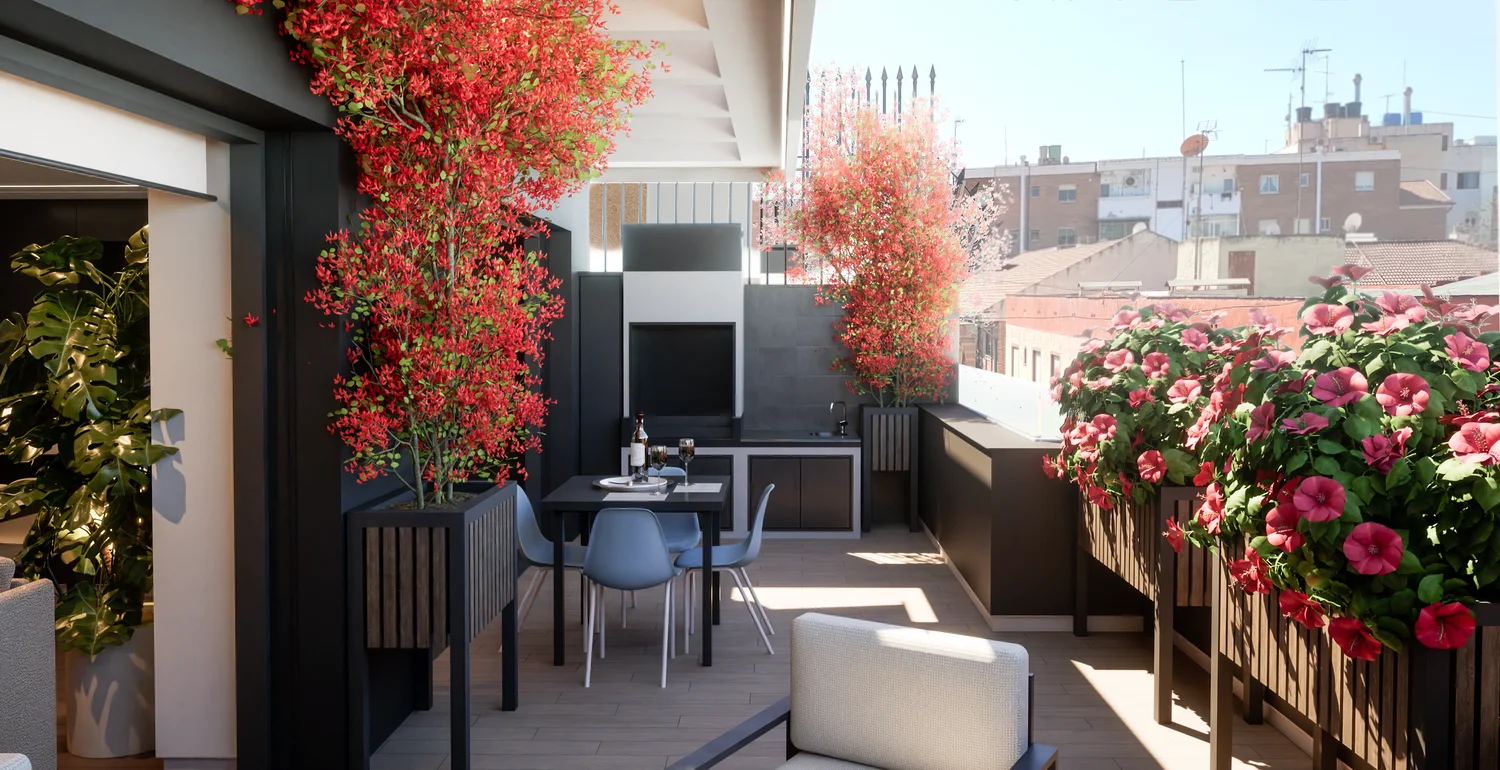
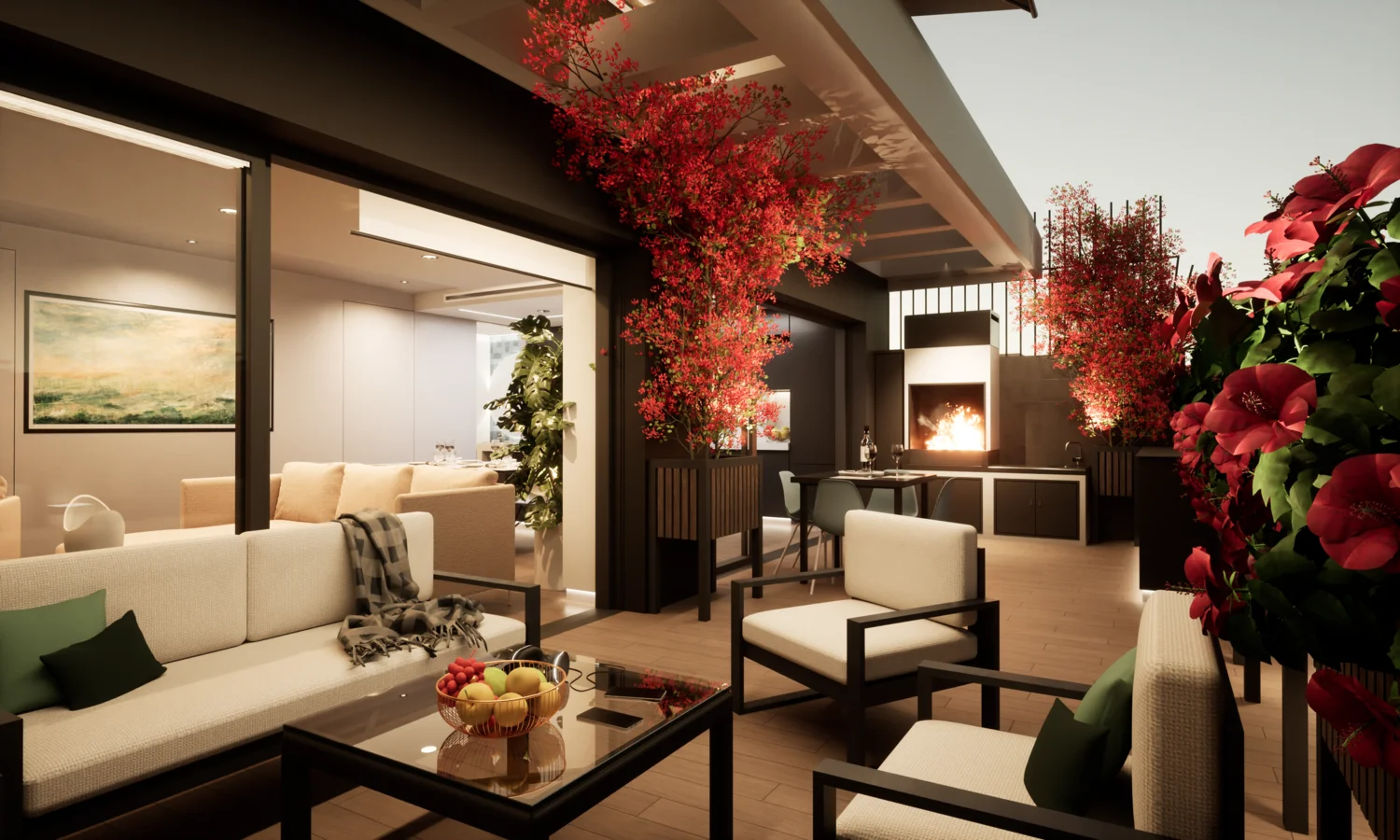
One of the most notable features of Spanish apartments is the emphasis on outdoor space. Even smaller apartments usually have a balcony, and larger ones often include a terrace. Given the sunny climate in Alicante and Murcia, these spaces are used for dining, relaxing, and even drying clothes—something uncommon in Northern European homes, where dryers are more prevalent.
Communal Areas and Amenities
Many apartment complexes, especially modern ones, offer shared facilities such as swimming pools, gardens, and underground parking. This is particularly attractive for foreign buyers who want a holiday home with access to a pool without the maintenance responsibilities.
Additionally, traditional Spanish apartment buildings have a “portero” (doorman or concierge) who helps with security and maintenance—another difference from Northern European apartment blocks, which are often more self-managed.
Bedroom and Bathroom Size: Smaller Than You Might Expect
Compared to UK and Northern European homes, bedrooms in Spain are generally smaller, with just enough space for a bed, wardrobe, and bedside tables. Built-in wardrobes are common, reducing the need for extra furniture.
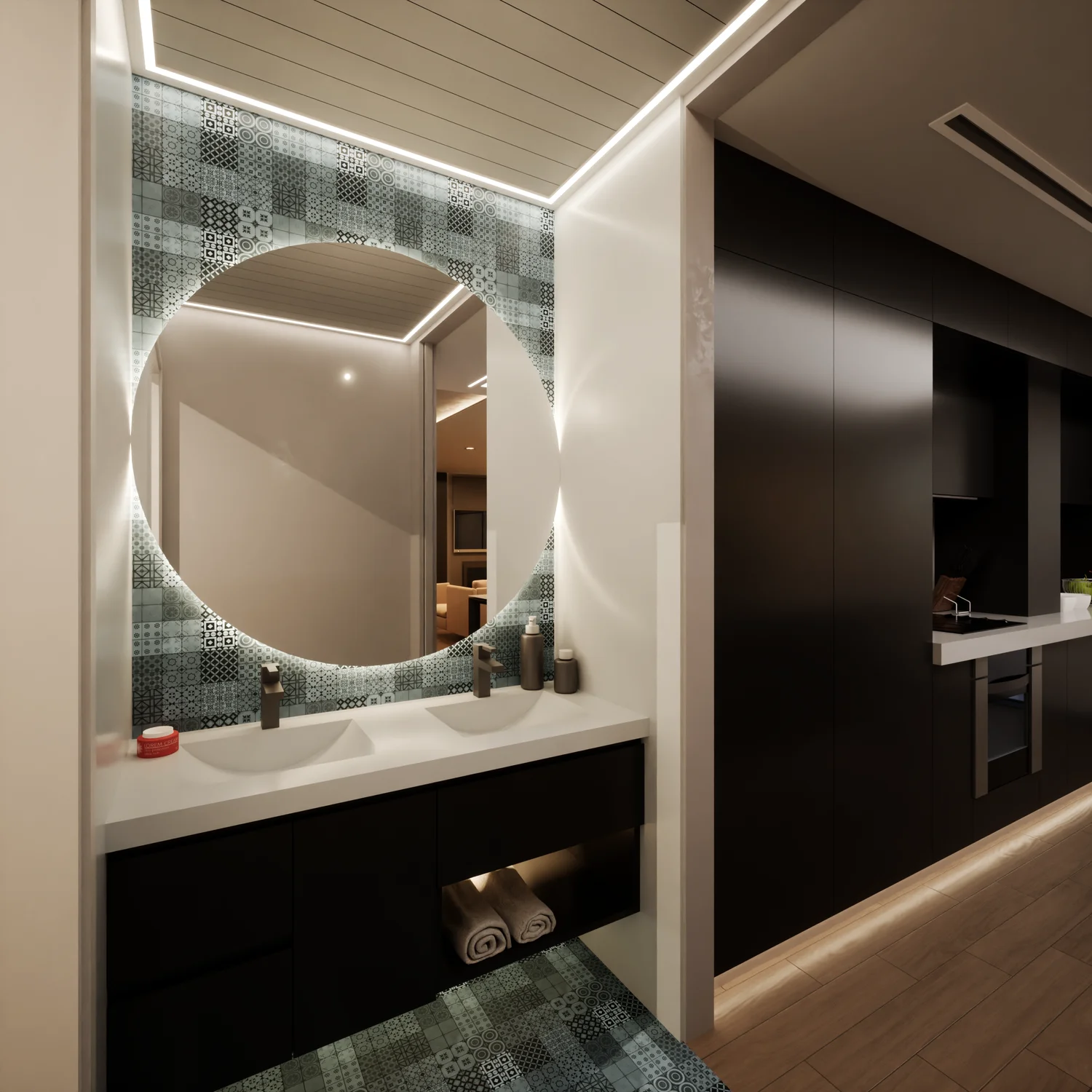
Bathrooms also tend to be compact, often with a shower instead of a bathtub. Many older apartments feature a bidet, which is less common in Northern Europe.
Cultural Norms and Their Impact on Home Design
The Siesta and Its Effect on Apartment Living
The Spanish tradition of the siesta (afternoon rest) means that homes are designed to offer a cool, quiet space during the hottest part of the day. Shutters (persianas) are installed in almost all apartments, allowing residents to block out the sun completely something rarely seen in the UK, where curtains or blinds are more common.
Social Life at Home vs. Pubs and Bars
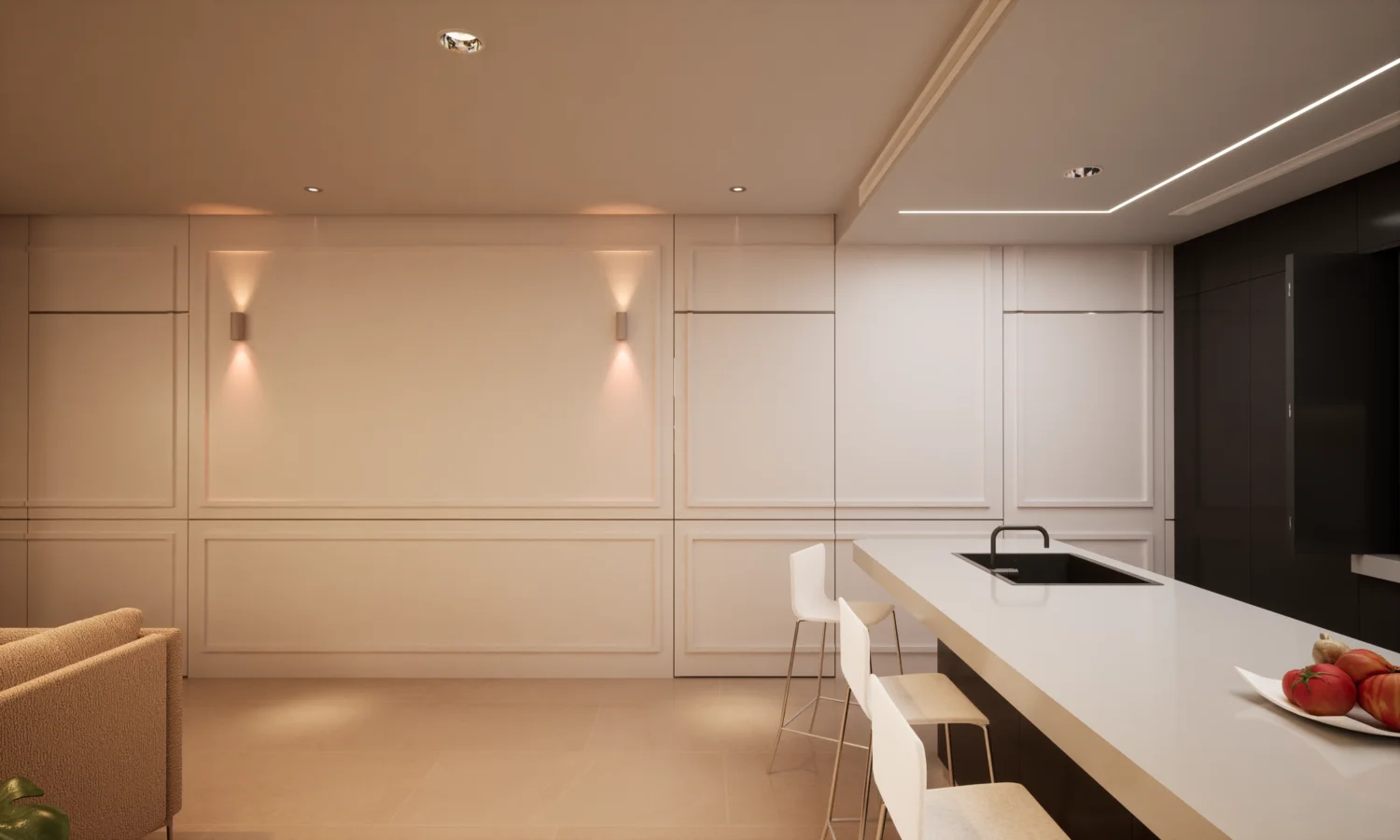
In the UK and Northern Europe, social life often happens outside the home, in pubs or cafes. In Spain, however, home gatherings are common. This is why living rooms in Spanish apartments are often larger than kitchens—the opposite of many UK homes, where the kitchen is a central social hub.
Family meals and gatherings are an important part of Spanish culture, which explains why even smaller apartments often have a separate dining area rather than just a dining table in the kitchen.
Storage Solutions: Less Closet Space, More Minimalism
Unlike in Northern Europe, where homes tend to have large attics, basements, and built-in storage, Spanish apartments often have limited closet space. As a result, many residents use extra furniture like armoires or store seasonal items in trasteros (storage rooms) located in the basement or on the rooftop of the building.

Key Differences Between Spanish and Northern European Homes
| Feature | Spain (Alicante & Murcia) | UK/Northern Europe |
| Apartment Layout | Separate kitchen and living room | Open-plan kitchen-living areas |
| Outdoor Spaces | Balconies and terraces are standard | Less common, often just a small balcony |
| Communal Areas | Pools, gardens, shared facilities | Rare, more self-managed |
| Bedrooms & Bathrooms | Smaller, built-in wardrobes, bidets common | Larger, freestanding wardrobes, bidets rare |
| Shutters (Persianas) | Essential for blocking sunlight | Rare, curtains or blinds preferred |
| Storage | Limited, often external trasteros | More built-in storage, attics, and basements |
| Social Spaces | Larger living rooms, smaller kitchens | Large kitchens, smaller living rooms |
| Laundry | Clotheslines on terraces, fewer dryers | Dryers are common |
Things to Consider When Buying or Renting in Spain
Check the Natural Light and Orientation
Properties facing south or east are ideal to maximize natural light. North-facing apartments may stay cooler in summer but can feel dark and cold in winter.
Understand the Energy Efficiency of Older Apartments
Many older buildings lack insulation and central heating, meaning they can get quite cold in winter despite the mild climate. This is a surprise for many foreigners used to well-insulated homes in Northern Europe.
Be Aware of Noise Levels
Spanish cities are lively, and apartment walls are often thinner than in Northern Europe. If you’re sensitive to noise, look for top-floor apartments or buildings with good soundproofing.
Consider the Community Fees
If you buy in a building with communal facilities (like a pool), you’ll need to pay monthly community fees. These can range from €50 to over €200 per month, depending on the services included.
Final Thoughts
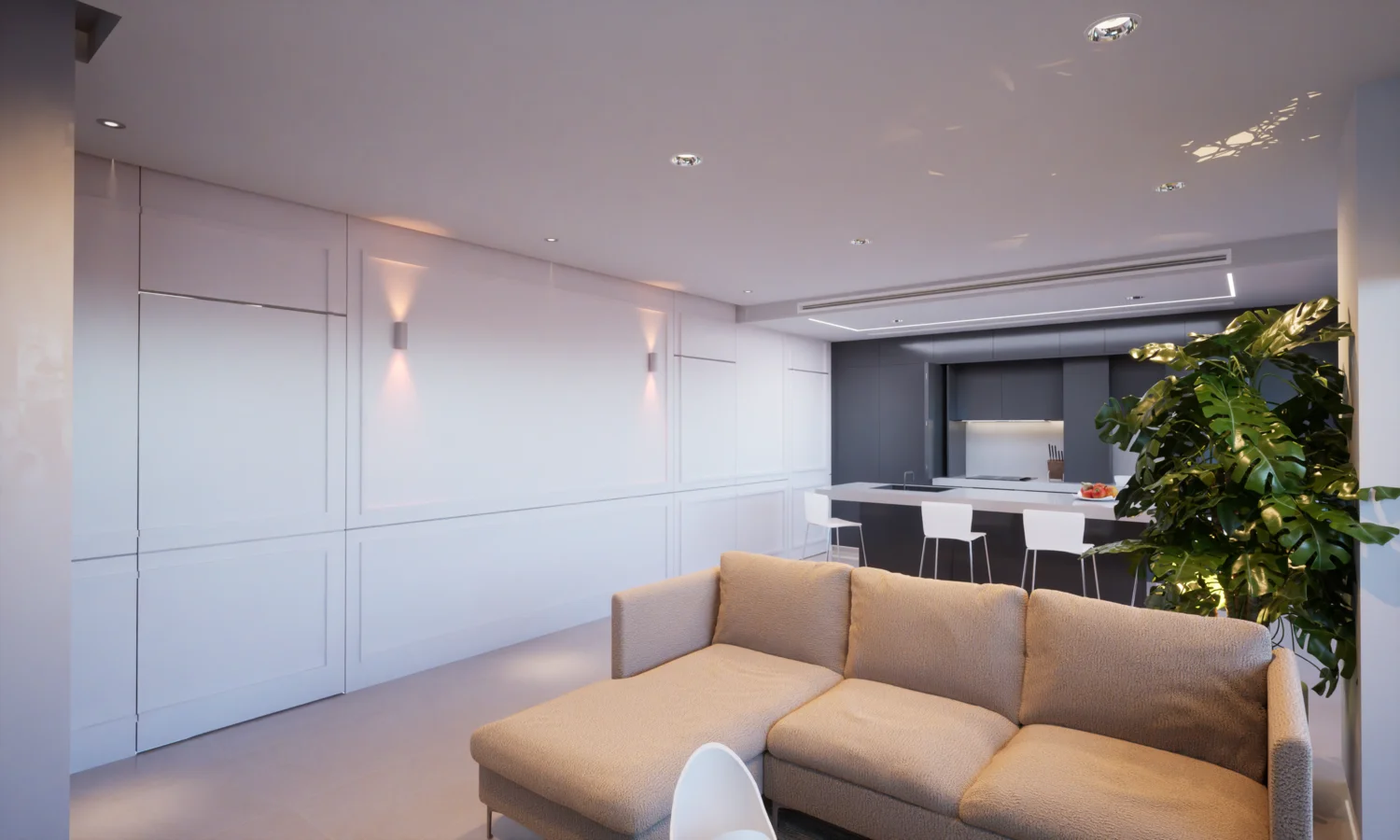
Living in Spain, especially in places like Alicante and Murcia, offers a different experience from what many Northern Europeans are used to. Spanish apartments prioritize separate living spaces, outdoor areas, and communal living, while UK and Northern European homes tend to focus on open-plan designs, larger storage spaces, and energy efficiency.
Understanding these differences can help you find a home that suits your lifestyle and expectations. Whether you’re looking for a holiday retreat or a permanent residence, being aware of these cultural and architectural contrasts will make your property search smoother and more enjoyable.
Are you considering buying or renting an apartment in Spain? At Pacheco Arquitectos, we specialize in helping international buyers and renters navigate the Spanish property market. From choosing the right layout to understanding cultural differences in home design, our expert team is here to guide you. Contact us today and let us help you find the perfect home in Alicante, Murcia, or anywhere in Spain!