Introduction
The architectural landscape of Southern and Eastern Spain tells a story of cultural fusion, innovation, and artistic brilliance that spans over a millennium. Moorish architecture in Spain is more than just a historical reference; it is a living legacy that continues to inspire modern architects and designers.
This article explores the fascinating journey from the golden age of Islamic Spain to contemporary architectural innovations, revealing how ancient techniques and aesthetics have been reimagined for the modern world.

The Lasting Influence of Moorish Architecture in Spain
When the Moors arrived in the Iberian Peninsula in 711 CE, they brought with them sophisticated architectural techniques that would forever transform the Spanish landscape. Their influence extended far beyond the grand monuments we commonly associate with Moorish architecture, seeping into the very fabric of Spanish building traditions.
The Moorish period introduced several key characteristics that would become hallmarks of Spanish architecture:
- The use of horseshoe arches
- Intricate geometric patterns
- Advanced water management systems
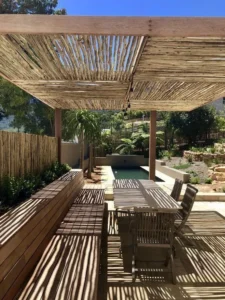
- Indoor-outdoor living spaces
- Natural lighting techniques

Moorish Engineering: Architectural Innovations That Shaped Spain
The Moors weren’t just master decorators—they were brilliant engineers. Their structural innovations solved complex architectural challenges that still impress modern builders.
Water Management
The sophisticated hydraulic systems of the Alhambra in Granada demonstrate the Moors’ mastery of water management. These systems didn’t just provide practical solutions; they created atmospheric effects that transformed buildings into multisensory experiences. Modern sustainable architecture draws inspiration from these ancient techniques, particularly in water conservation and natural cooling systems.
Light and Space
Lesser-known examples like the Casa del Carbon in Granada showcase how Moorish architects manipulated light and space. They pioneered the use of clerestory windows and strategic orientation to control sunlight and airflow—principles that remain crucial in contemporary sustainable design.

The Intricate Art of Moorish Ornamentation in Spanish Architecture
Moorish decorative elements represent one of the most distinctive aspects of their architectural legacy. The intricate patterns and calligraphy that adorn buildings like the Mezquita of Córdoba aren’t merely decorative—they embody mathematical precision and spiritual significance.
Modern Interpretations
Contemporary architects have found innovative ways to incorporate these traditional patterns:
- Digital fabrication of geometric designs
- Abstract interpretations of arabesque patterns
- Integration of traditional motifs with modern materials

Religious Architecture in Spain: The Fusion of Moorish and Christian Styles
The religious architecture of Southern Spain presents a unique study in cultural fusion. The transformation of mosques into churches, and the adaptation of Islamic architectural elements for Christian worship, created a distinctive architectural vocabulary that continues to evolve.
Notable Examples
- The Great Mosque of Córdoba/Cathedral of Córdoba
- The Royal Chapel of Granada
- Less famous but equally significant: The Church of El Salvador in Seville, built on the site of a former mosque, incorporating original Moorish elements

Moorish Influence on Spanish Residential Architecture: From Palaces to Modern Homes
Moorish influence extends beyond monumental architecture into residential spaces. The concept of the central courtyard (patio) and the emphasis on privacy and natural ventilation have shaped Spanish housing design for centuries.
Modern Adaptations
Contemporary architects have successfully adapted these principles for modern living:
- Sustainable housing projects in Andalusia
- Urban renewal initiatives in historic districts
- Modern interpretations of traditional courtyard houses
Moorish Urban Design: How It Shaped Spanish Cities
Moorish urban planning principles emphasized community, climate adaptation, and functionality. These concepts continue to influence modern Spanish city design.
Key Elements
- Narrow streets for shade
- Public fountains and water features
- Community gathering spaces
- Integration of gardens and green spaces
The Revival of Moorish Architecture in Contemporary Spain
The late 20th and early 21st centuries have seen a renewed interest in Moorish architectural principles, particularly in sustainable design and adaptive reuse projects.
Contemporary Examples
- The Granada Science Park
- The Royal Collections Museum in Madrid
- Various eco-friendly housing developments in Andalusia
Preserving Moorish Architecture: Challenges and Future Innovations
The challenge of preserving Moorish architectural heritage while adapting to modern needs has sparked innovative solutions:
- Digital documentation techniques
- Sustainable restoration methods
- Integration of modern amenities while maintaining historical integrity
Conclusion
The evolution of architecture from Moorish influences to modern design in Southern and Eastern Spain demonstrates the enduring relevance of historical building principles. As we face contemporary challenges like climate change and urbanisation, these time-tested architectural solutions offer valuable lessons for sustainable and culturally responsive design.
The marriage of Moorish architectural heritage with modern innovation continues to produce extraordinary results, proving that the best architecture is often born from a deep understanding of the past combined with a bold vision for the future.
If you are passionate about Moorish architecture in Spain and its influence on modern design, we would love to hear your thoughts! Leave a comment with your insights or share this article on social media to spread the legacy of this unique architectural style.
Would you like to learn more about projects inspired by historical architecture? Contact us and discover how we can help integrate these principles into innovative and sustainable designs.