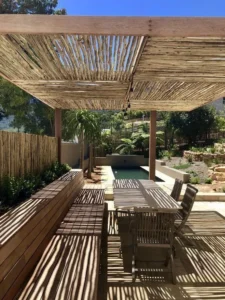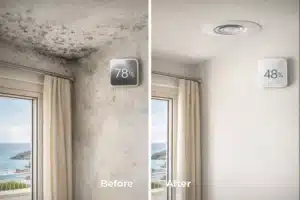
In the realm of modern architecture, innovative professionals from regions such as Alicante and Murcia are reimagining the concept of home. It is no longer simply about creating visually attractive spaces, but about embracing sensory residential architecture that enriches our daily lives. This evolution marks a significant shift in the way we understand and inhabit our residential spaces.
The awakening of the senses in contemporary architecture
Architecture has traditionally been dominated by visual aspects. However, Pacheco Arquitectos on the Spanish Mediterranean coast, particularly in Alicante and Murcia, are recovering a more holistic vision that incorporates all our senses. This approach finds its roots in scientific studies that demonstrate how sensory stimuli affect our physical and emotional well-being.
“True architecture is that which involves all our senses, which makes us feel alive in every corner of the space” – comments Juan Pacheco Moreno, architect from Murcia.
This multisensory perspective is not merely aesthetic, but responds to fundamental human needs. Various studies in environmental psychology reveal that spaces that stimulate multiple senses in a harmonious way can reduce stress, improve mood and increase productivity.
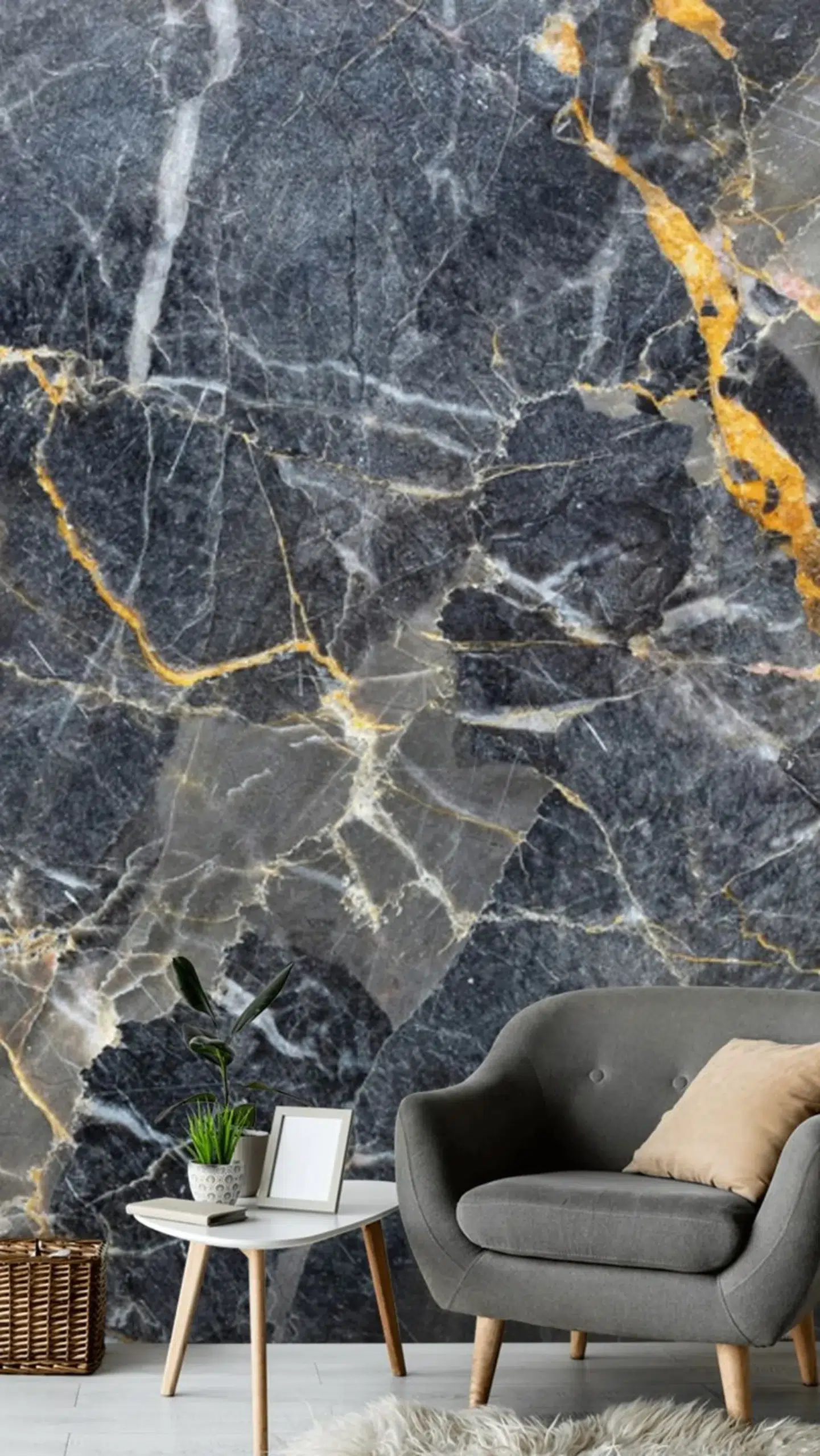
Touch: materiality and texture in interior spaces
The tactile experience in architecture begins with the conscious selection of materials. In homes designed by architects from Alicante, we can observe a renaissance of natural materials such as local stone, Mediterranean wood and artisanal textiles. These elements not only add visual character but offer a rich tactile experience.
The variety of textures in a space creates layers of sensory experience. Think of a living room where the softness of a linen sofa contrasts with the roughness of a natural stone wall, whilst a polished wooden floor offers warmth under bare feet. This diversity of tactile stimuli keeps our senses active and engaged with the environment.
At Pacheco Arquitectos, they are implementing innovative solutions such as:
- Walls with subtle reliefs that invite touch
- Flooring that alternates polished and rough areas to mark spatial transitions
- Furniture with diverse textures that adapts to different uses and moods
These design decisions go beyond aesthetics; they directly influence how we perceive and relate to our domestic environment.
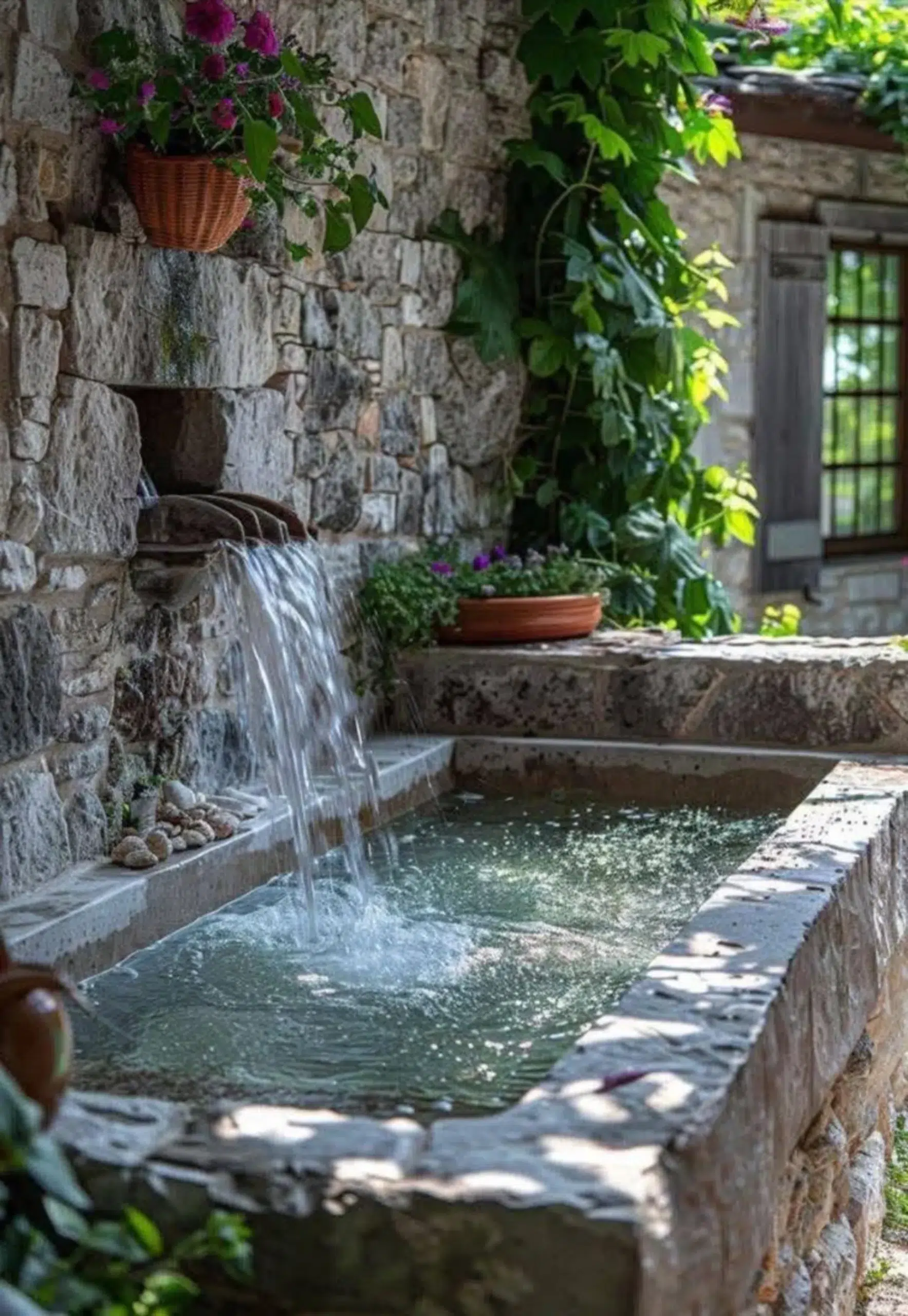
Sound: acoustics and soundscapes in the home
The acoustic dimension of a home is frequently underestimated, but it has a profound impact on our quality of life. The most advanced architects in Alicante are designing houses that not only block unwanted noises, but create pleasant soundscapes.
Acoustic treatment begins with adequate insulation. Traditional Mediterranean construction techniques, reinterpreted with modern materials by architects in Murcia, achieve homes that keep noisy exteriors at bay whilst preserving desirable natural sounds such as bird song or the whisper of the breeze through vegetation.
In interiors, special attention is paid to the resonance of spaces. A living room can be designed to pleasantly amplify intimate conversation, whilst a study might be configured to absorb echo and create an environment conducive to concentration. Water, a fundamental element in the architectural tradition of Alicante and Murcia, is frequently incorporated through:
- Interior fountains that provide the relaxing sound of moving water
- Courtyards with ponds that refresh the environment and add a natural sound background
- Water recirculation systems are designed to create different acoustic effects
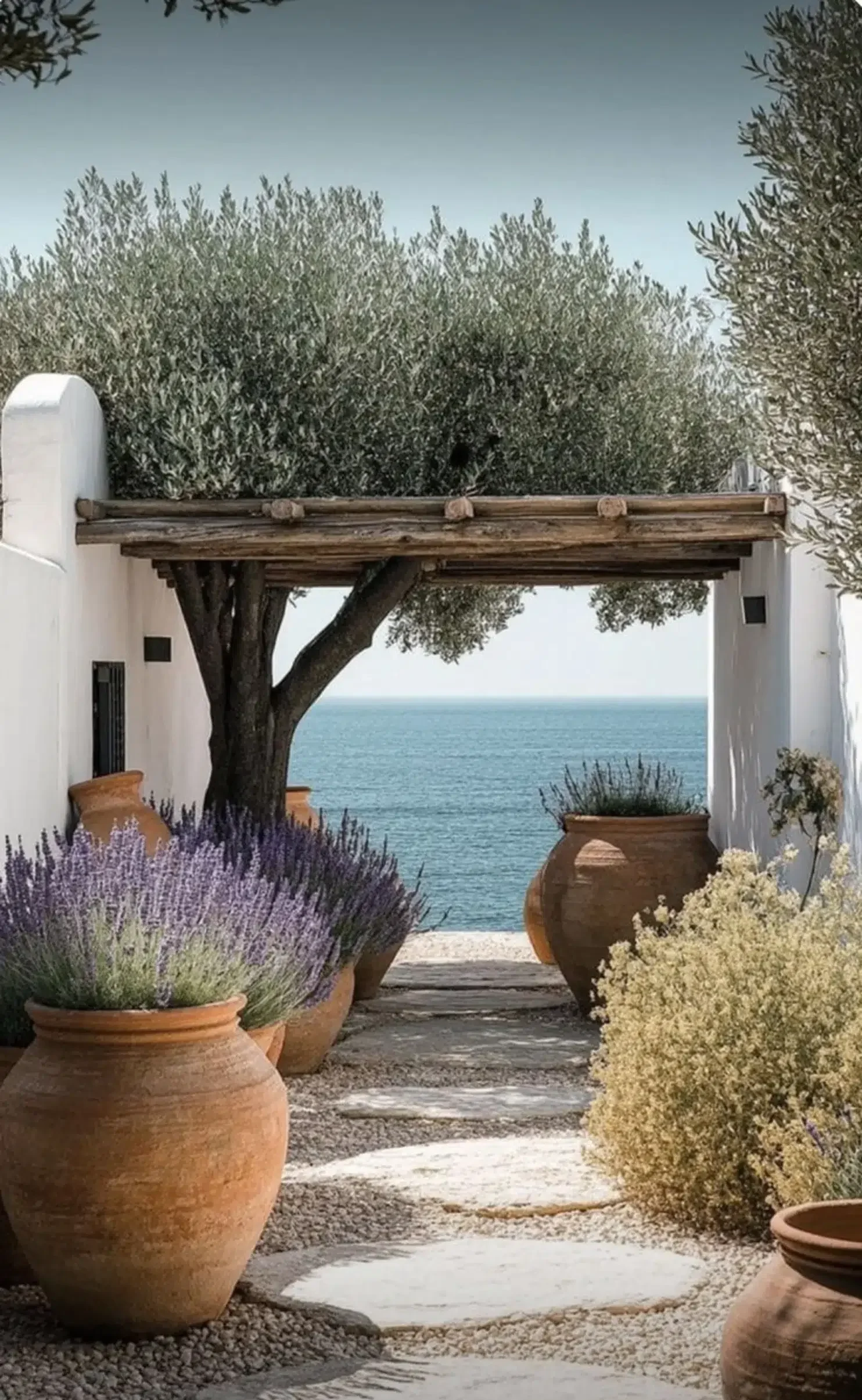
Smell: aromas and memory in residential architecture
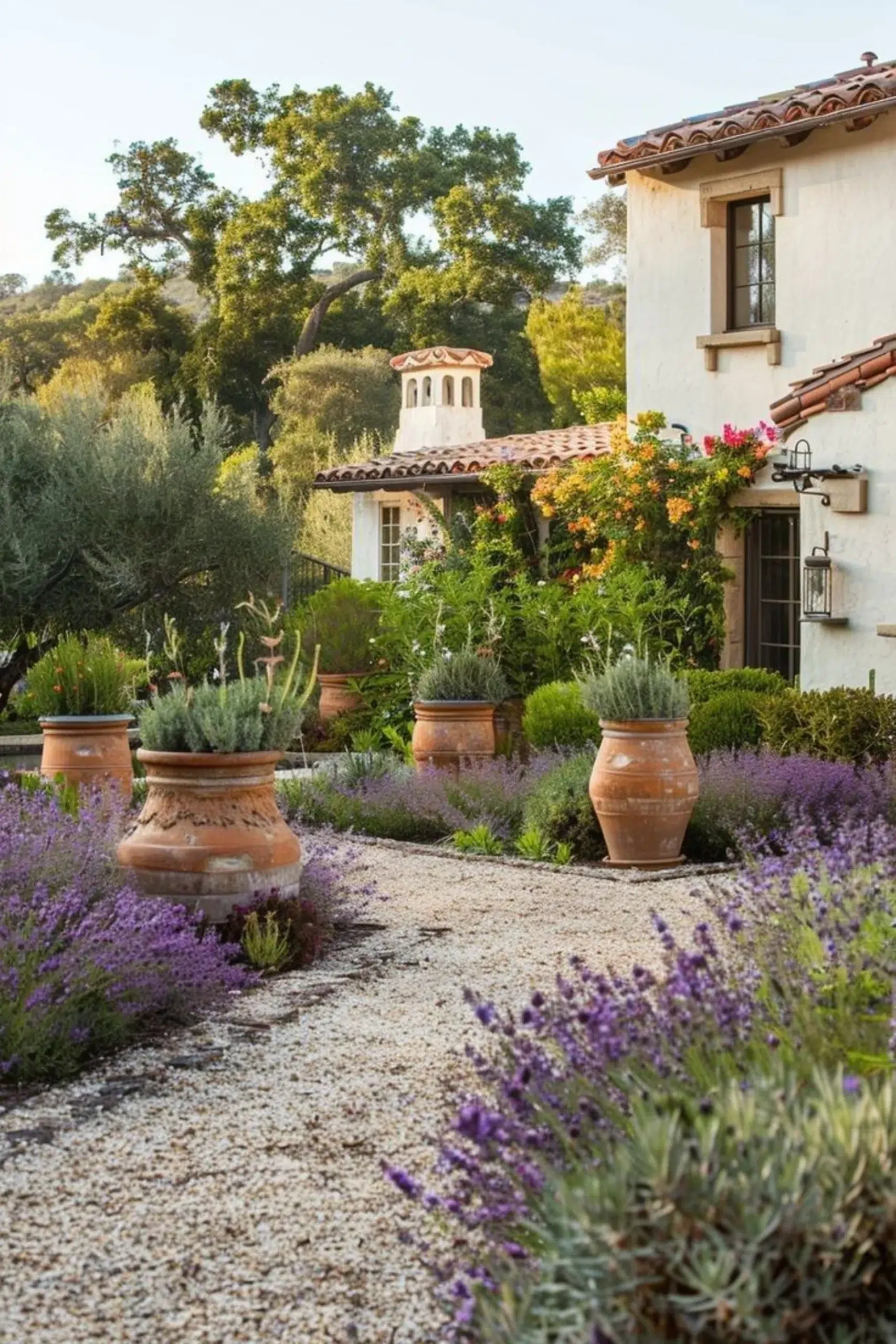
The sense of smell is intimately linked to our emotions and memory. Conscious architects in Murcia are designing spaces that incorporate this sensory dimension. The garden, both exterior and interior, plays a fundamental role in this olfactory experience.
Sensory gardening: the garden as an aromatic extension of the home
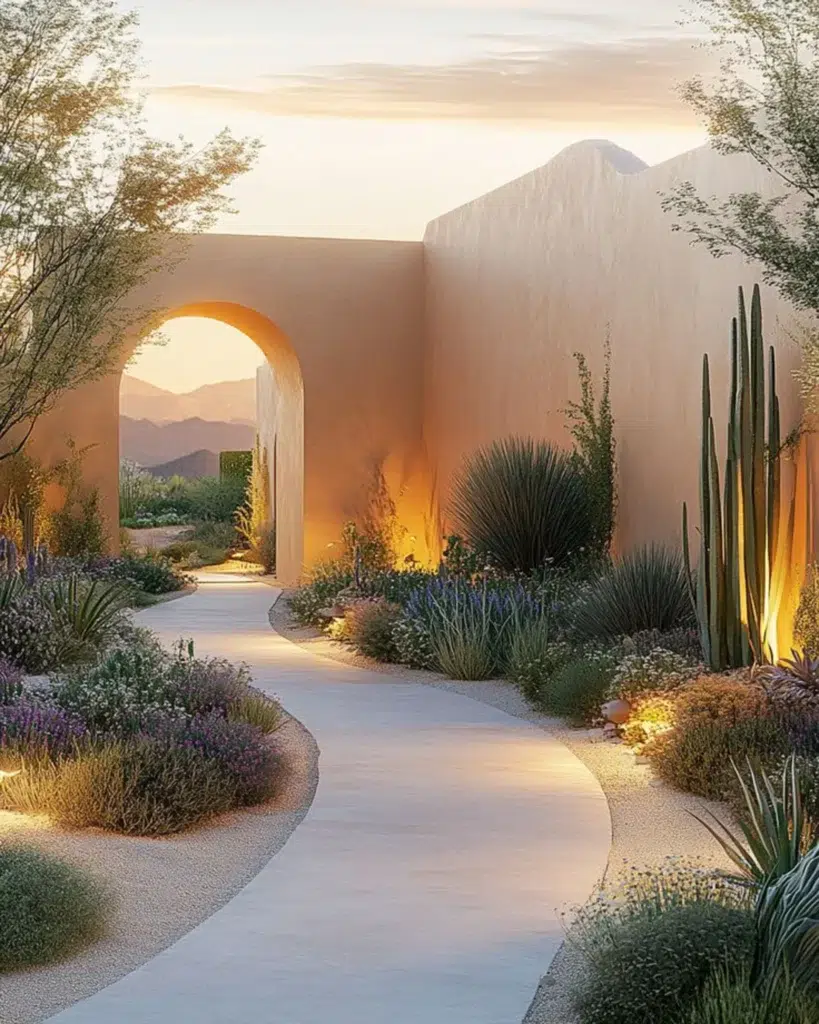
In the privileged climate of southeast Spain, the integration of gardening in residential architecture allows for the creation of exceptional olfactory experiences. Architects from Alicante are recovering native aromatic species such as:
- Rosemary and thyme, which release their essences with a simple touch
- Jasmine and night-blooming jasmine, which perfume summer evenings
- Citrus trees such as lemon and orange, whose flowering transforms the home environment
These plant elements are not mere decorations; they are living architectural components that transform the sensory experience throughout the day and seasons. Juan Pacheco Moreno, specialised in bioconstruction in Murcia, comments: “We design thinking of the complete annual cycle, so that the house offers different aromatic experiences according to the time of year”.
The strategic location of these plants near windows, courtyards and living areas allows their aromas to penetrate interior spaces, creating sensory connections between the exterior and interior.
Interior spaces: integrated multisensory design
True mastery in sensory architecture is manifested when all these elements converge in harmonically designed interior spaces. The most innovative architects in Alicante and Murcia are creating homes where each room has its own sensory personality according to its function.
The kitchen: sensory epicentre of the modern home
The contemporary kitchen has evolved to become the sensory heart of many homes. In the designs of architects from Murcia and Alicante, we find kitchens that:
- Incorporate herb gardens integrated into the countertop or central island
- Use materials such as wood and natural stone that improve with use and the passage of time
- Design lighting to highlight the textures and colours of food and utensils
- Consider acoustics so that the sound of food preparation is pleasant and non-invasive
Bedrooms: sensory sanctuaries for rest
Bedrooms designed with multisensory sensitivity become true refuges for physical and mental recovery. Architects from Alicante are implementing:
- Natural ventilation systems that favour the circulation of soft aromas from adjacent gardens
- Natural textiles such as linen and organic cotton that respond to body temperature
- Surfaces with different finishes that create relaxing tactile experiences
- Selective acoustic insulation that allows natural sounds to be heard whilst blocking annoying noises
Transition spaces: sensory thresholds
The areas that connect different zones of the home offer extraordinary opportunities to create sensory experiences. Corridors, hallways and staircases designed by sensitive architects in Murcia are transformed through:
- Subtle changes in ceiling height that modify acoustics and spatial perception
- Variations in natural lighting that highlight changing textures throughout the day
- Incorporation of plant elements that provide freshness and natural aromas
- Flooring materials that offer different sensations when walking, marking zones and transitions
Technology at the service of sensory experience
Far from being incompatible with a sensory approach, well-applied technology can enhance these experiences. Pacheco Arquitectos from Alicante integrate:
- Home automation systems that automatically adapt temperature, lighting and ventilation according to customised comfort patterns
- Acoustic technology that allows the creation of specific sound environments for different activities
- Biodynamic lighting that evolves with natural circadian rhythms
The key is that technology remains invisible, enhancing the sensory experience without dominating it.
Conclusion: towards a fully human residential architecture
The future of residential architecture in regions such as Alicante and Murcia points towards a rediscovery of the essentially human. At Pacheco Arquitectos, they understand that we inhabit spaces with our entire sensory being, not just with our sight.
This integrative vision creates homes that are not only beautiful and functional but deeply resonant with our nature. Spaces that remind us, through tactile, acoustic and olfactory experiences, what it means to be fully alive and connected with our environment.
For those seeking to transform their residence into a full sensory experience, the advice is clear: look for an architect in Alicante or Murcia who understands this multisensory dimension of design. The result will be a home that not only looks beautiful, but feels, sounds and breathes as a natural extension of its inhabitants.
Would you like to transform your home into a truly sensory experience? At Pacheco Arquitectos, we design spaces that are not only seen, but also felt, heard, and fully lived. Get in touch and discover how we can help you create a home that awakens all your senses.