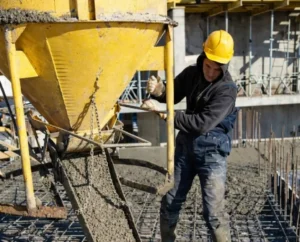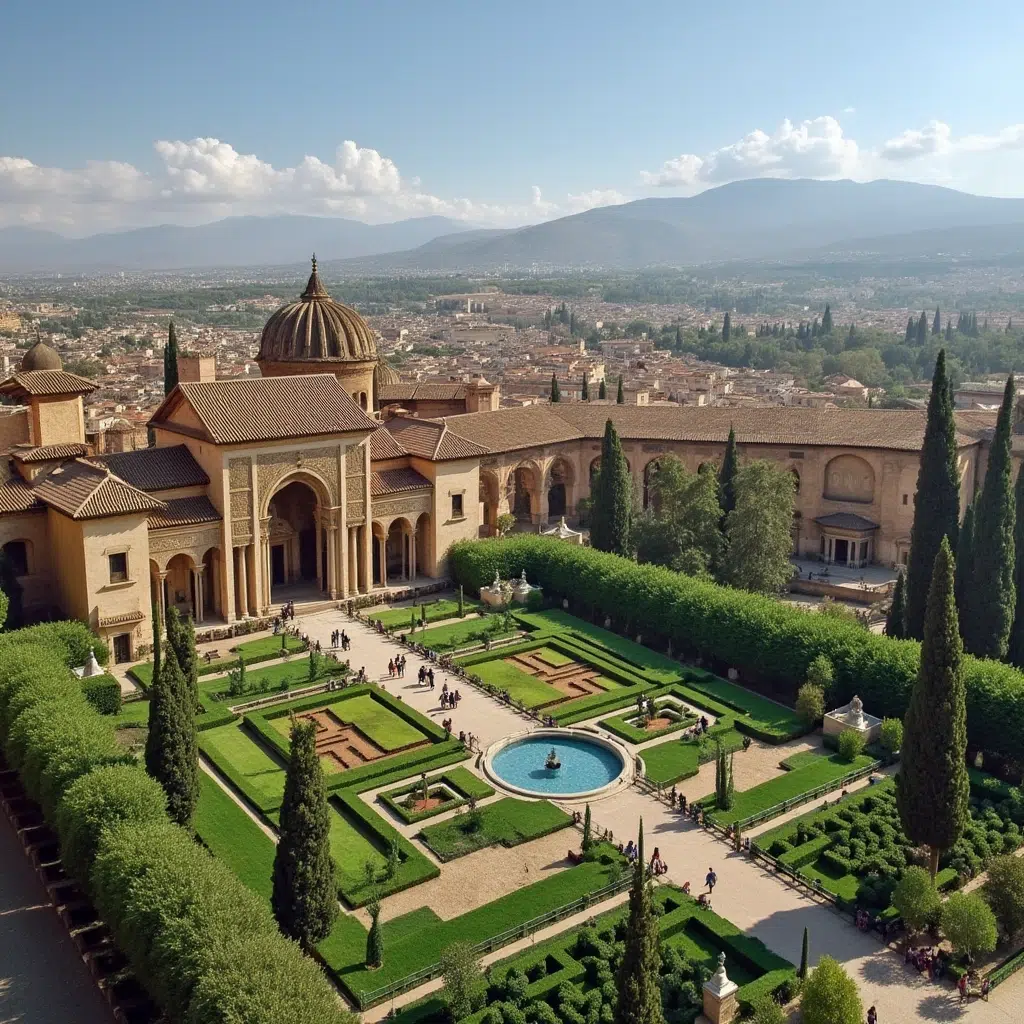
Architectural restoration represents much more than the simple preservation of old buildings; it is the art of keeping a society’s collective memory alive through its most emblematic structures. During the 20th and 21st centuries, this discipline has undergone a radical transformation, evolving from simple structural repairs to becoming a multidisciplinary science that combines history, technology, and sustainability.
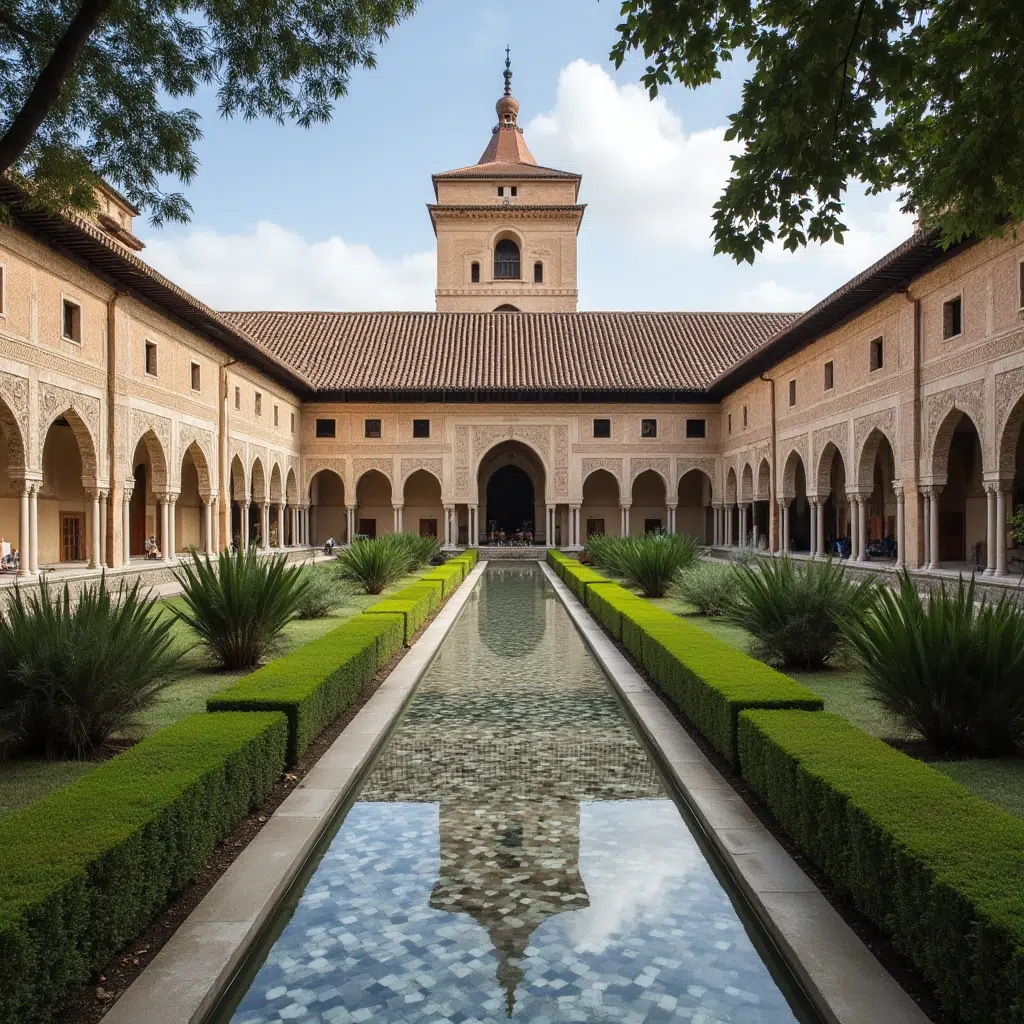
The Early 20th Century: Establishing the Foundations
Spain
The dawn of the 20th century marked a crucial moment in the history of Spanish architectural restoration. The enactment of the Law for the Conservation of Historical-Artistic Monuments in 1915 was not merely a legislative act but a declaration of principles that would transform how Spain would approach the preservation of its historical heritage.
During this period, pioneering architects like Leopoldo Torres Balbás revolutionized restoration practices in Spain. His work on the Alhambra in Granada established new standards that prioritized historical authenticity over idealized recreation. This approach, known as “scientific restoration,” was characterized by:
– Exhaustive documentation before any intervention
– Respect for all historical periods of the building
– Minimal intervention necessary to ensure the preservation
– Use of traditional techniques and materials when possible
United Kingdom
In the United Kingdom, the early 20th century was marked by the lasting influence of the Society for the Protection of Ancient Buildings (SPAB), founded in 1877 by William Morris. John Ruskin and Morris’s “anti-scrape” movement represented a revolution in thinking about architectural restoration.
The principles established by SPAB, which remain relevant today, included:
– Preservation of historical authenticity over aesthetic “improvement”
– Detailed documentation of any intervention
– Regular maintenance as the best form of preservation
– Clear distinction between original elements and modern additions

Mid-20th Century: Evolution and Adaptation
The Pedralbes Palace: A Detailed Case Study
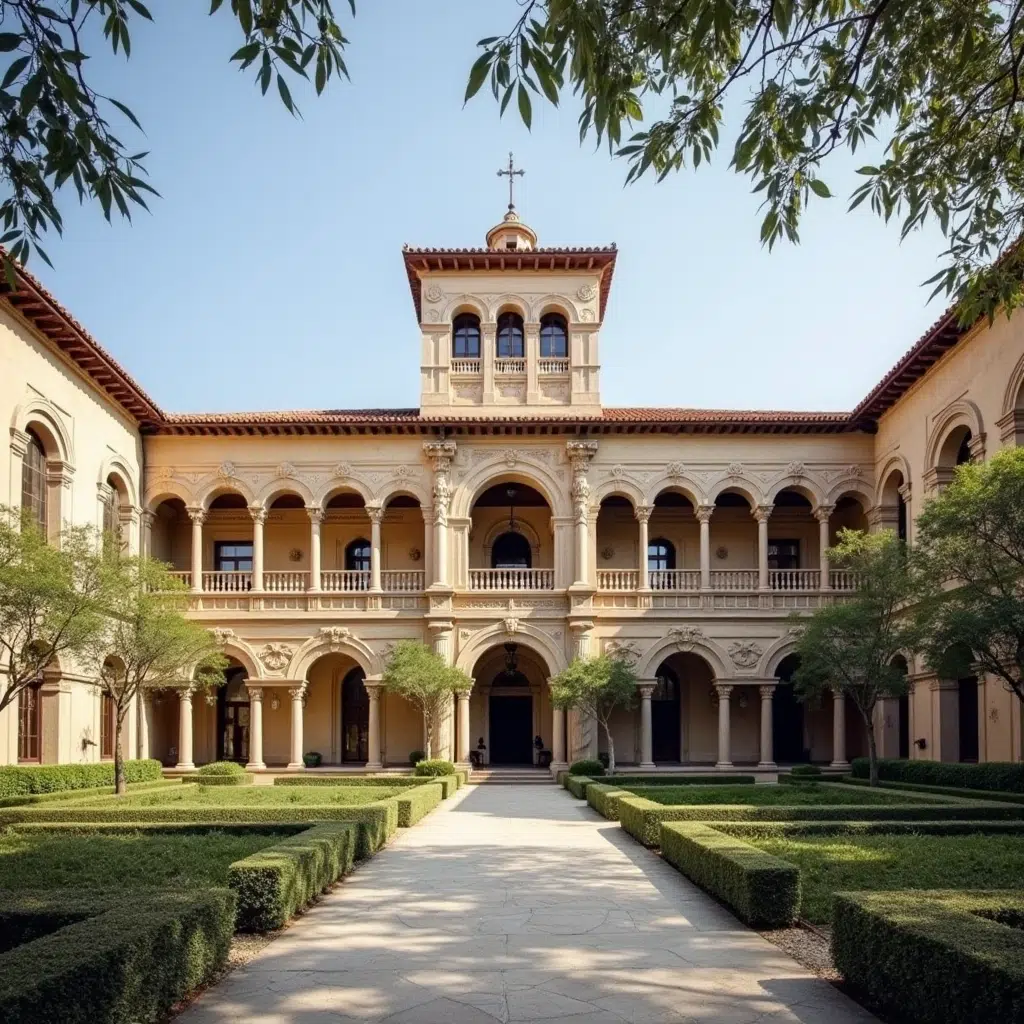
The Pedralbes Palace represents a paradigmatic example of the evolution in Spanish restoration practices. Originally built in the 19th century and significantly modified in the 20th, this building has undergone multiple interventions that illustrate the evolution of restoration techniques.
The most significant interventions included:
Preservation of Decorative Elements
The restoration of the palace’s ornamental elements required a detailed study of original craft techniques. Traditional methods of gilding, stucco work, and stonework were employed, combined with modern conservation techniques. Contemporary artisans had to relearn historical techniques to maintain the building’s authenticity.
Adaptation of Modern Systems
The integration of modern climate control and security systems presented a particular challenge. Innovative solutions were developed to conceal these elements while maintaining the building’s historical integrity. For example, air conditioning ducts were integrated into spaces between historical walls, and security sensors were camouflaged within the original decoration.
Garden Restoration
The Pedralbes Palace gardens received special attention during restoration. An exhaustive historical study was conducted to recover the original design while incorporating modern sustainability elements, such as efficient irrigation systems and plant species adapted to the local climate.
Post-war British Trends
The post-war period in the United Kingdom presented unique challenges in architectural restoration. The reconstruction of historic buildings damaged during World War II led to the development of new techniques and approaches:
Technical Innovations
– Development of special mortars that mimicked the properties of historical materials
– Creation of non-invasive structural consolidation techniques
– Implementation of photogrammetric documentation methods
Philosophical Changes
The post-war reconstruction experience led to a fundamental rethinking of restoration principles. A more flexible approach was developed that recognized the need to adapt historic buildings to modern uses while maintaining their historical character.
Late 20th and Early 21st Century: The Digital Era
Modern Methodologies: A Technological Revolution
The digital revolution has fundamentally transformed the practice of architectural restoration. New technologies have enabled:
Digital Documentation
– 3D laser scanning to create precise models of historic buildings
– Digital photogrammetry to document architectural details
– Virtual reality for planning and visualizing interventions
– Geographic Information Systems (GIS) for managing conservation data
Advanced Analysis
– Computerized simulations of structural behaviour
– Non-destructive analysis of historical materials
– Energy modelling to improve efficiency
Comparative Analysis of Contemporary Approaches
Spain
The Spanish approach to restoration is characterized by:
Integration of Tradition and Innovation
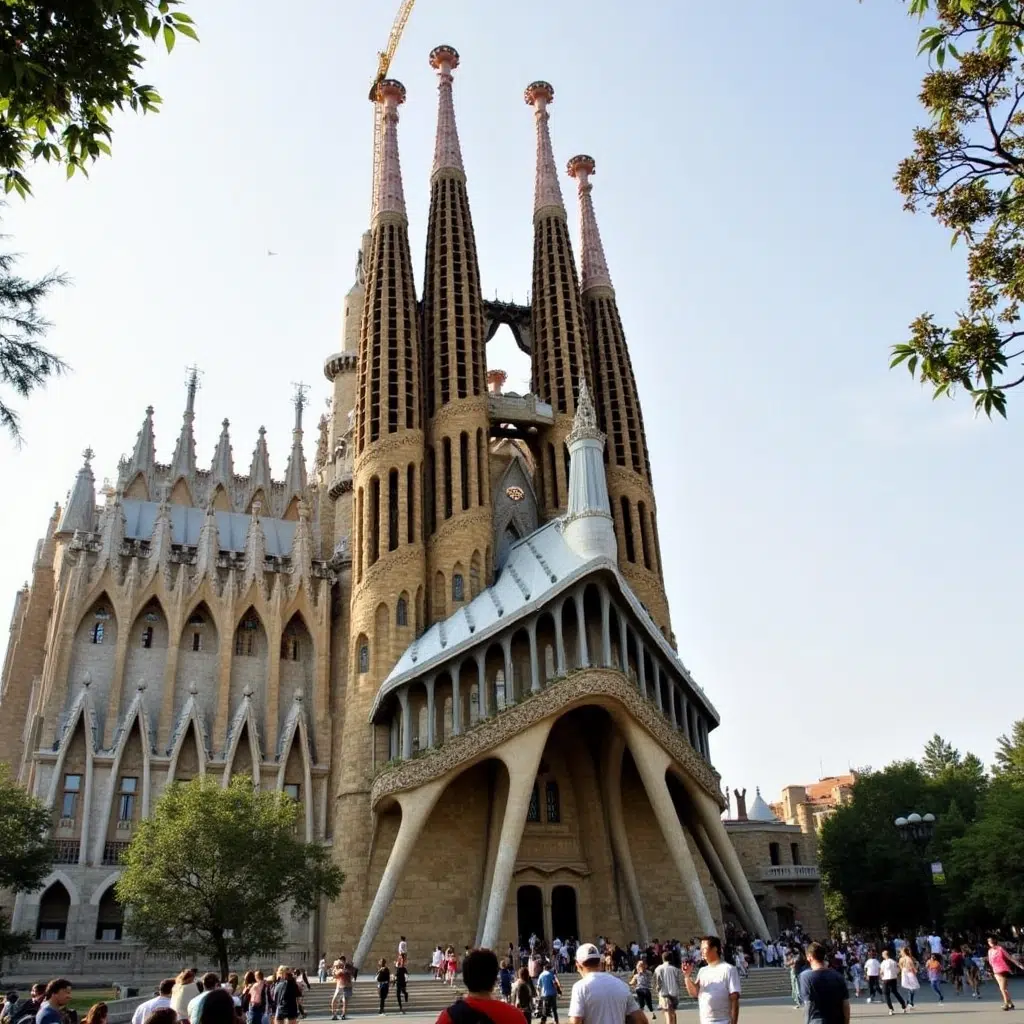
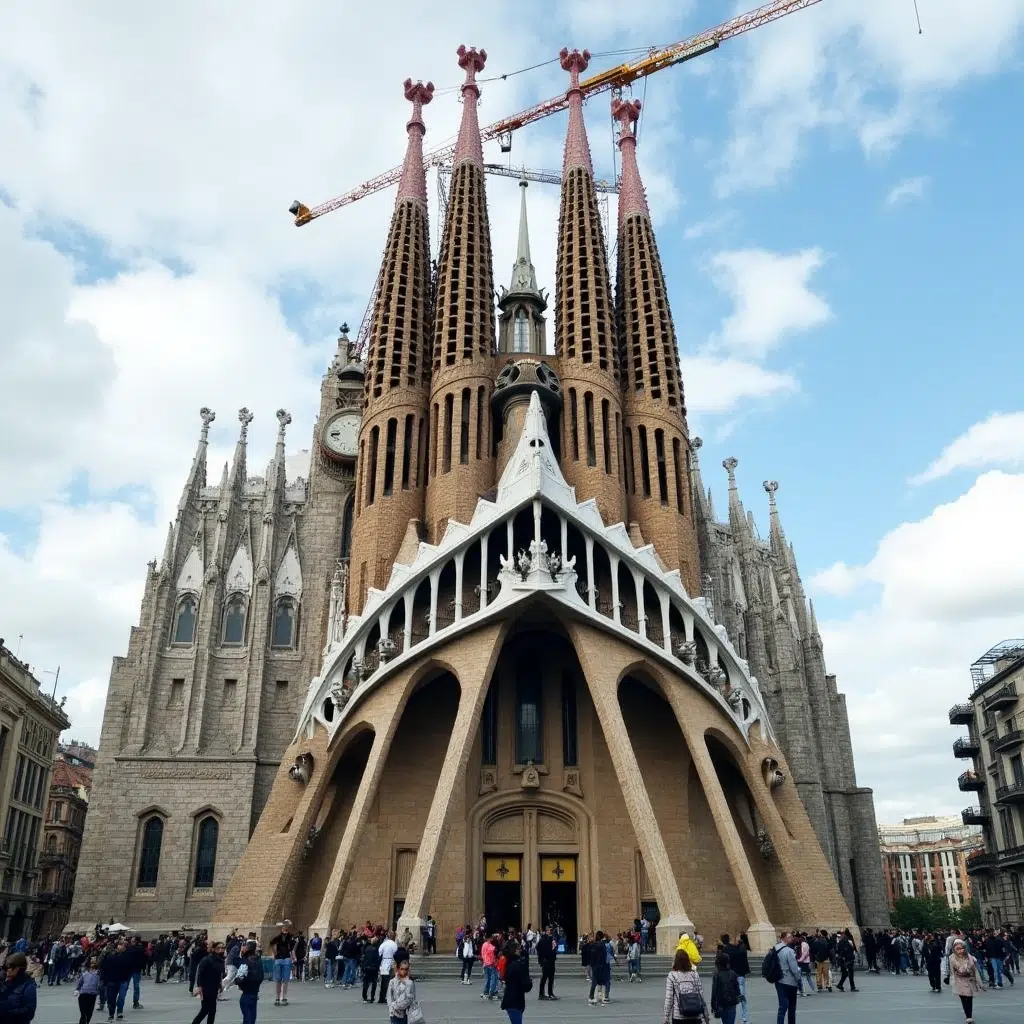
Spanish restorers have developed an approach that combines respect for traditional techniques with technological innovation. For example, in the restoration of the Sagrada Familia in Barcelona, advanced 3D modeling techniques are used alongside traditional stone carving methods.
Regulatory Framework
Administrative decentralization has led to the creation of specific regional regulations that respond to regional particularities. This has resulted in a rich diversity of approaches to restoration.
United Kingdom
The British approach is distinguished by:
Preventive Conservation
There is a strong emphasis on preventive maintenance and long-term planning. The National Trust has been a pioneer in developing comprehensive conservation plans that consider the physical aspects and cultural values of historic buildings.
National Standards
Development of unified standards through organisations such as Historic England, which provide detailed guidelines for restoring and conserving historic buildings.
Conclusions and Future Perspectives
The evolution of architectural restoration in Spain and the United Kingdom represents a fascinating journey from traditional practices to the most advanced technologies. The future of the discipline appears promising, with new challenges and opportunities:
Emerging Challenges:
– Adaptation to climate change
– Integration of sustainable technologies
– Preservation of 20th-century architecture
– Balance between accessibility and conservation
Future Opportunities:
– Development of new restoration materials
– Application of artificial intelligence in conservation
– Greater community participation in heritage preservation
– International exchange of knowledge and techniques
Architectural restoration in the 21st century stands at a crucial moment, where tradition and innovation must find a harmonious balance to ensure the preservation of our cultural heritage for future generations.
Exemplary Cases of Architectural Restoration
Spain: Excellence in Restoration
1. San Miguel Market, Madrid (2009)
The restoration of this centenary market represents an outstanding example of functional adaptation while preserving historical essence. Originally built in 1916, the building underwent a transformation that respected its characteristic modernist iron and glass structure while adapting to 21st-century needs.
Notable aspects of the restoration:
– Preservation of the original metallic structure using non-invasive techniques
– Recovery of historical stained glass with integration of modern climate control elements
– Functional adaptation that maintained its use as a market while becoming a cultural gastronomic space
– Integration of sustainable technologies while maintaining the original aesthetics
2. Hospital de Sant Pau, Barcelona (2014)
This modernist complex, work of Lluís Domènech i Montaner, represents one of Spain’s most ambitious restoration projects. The intervention transformed the former hospital into a cultural and knowledge centre while preserving its exceptional architectural value.
Key elements of the intervention:
– Meticulous restoration of mosaics and decorative elements
– Recovery of historical underground tunnels
– Implementation of sustainable energy systems
– Accessible adaptation while maintaining architectural integrity
3. Matadero Madrid (2007-2017)
The transformation of the former municipal slaughterhouse into a contemporary cultural centre exemplifies respectful adaptive restoration. The project maintained the original industrial architecture while creating versatile spaces for cultural uses.
Significant achievements:
– Conservation of original industrial architecture
– Creation of flexible spaces respecting the historical structure
– Integration of contemporary art in industrial spaces
– Preservation of industrial elements as historical testimony
United Kingdom: Innovative Preservation
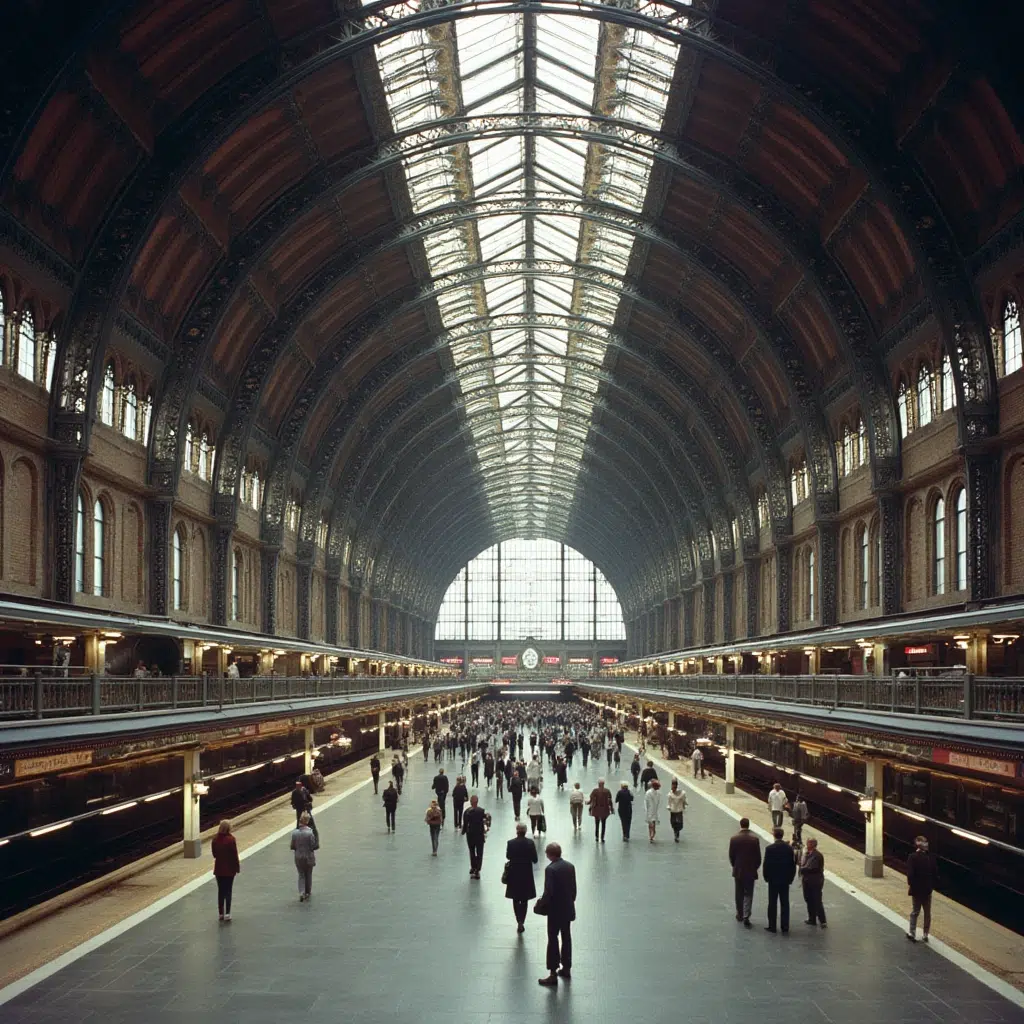
1. St. Pancras Station, London (2007)
The restoration of this Victorian station represents one of the greatest successes in British heritage preservation. The project combined historical restoration with adaptation for international rail service.
Notable aspects:
– Restoration of the Victorian cast iron roof
– Recovery of original Gothic Revival decorations
– Adaptation for modern railway services
– Integration of retail and hotel while maintaining the historical structure
2. Battersea Power Station, London (2022)
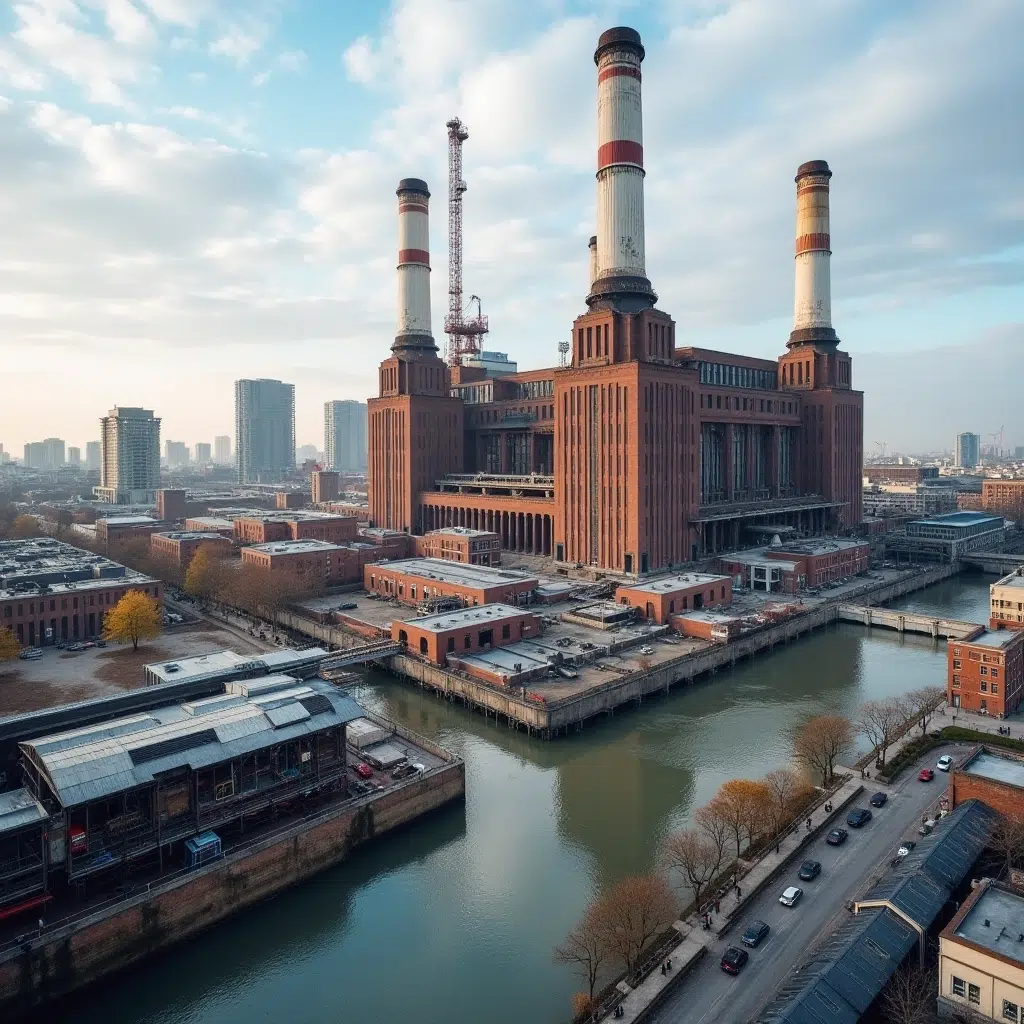
The transformation of this former power station into a mixed-use complex demonstrates how industrial buildings can be adapted while maintaining their historical character.
Innovative elements:
– Preservation of the iconic chimneys
– Interior adaptation respecting the industrial structure
– Creation of integrated public spaces
– Implementation of sustainable technologies in a historic building

3. Alexandra Palace, London (2018)
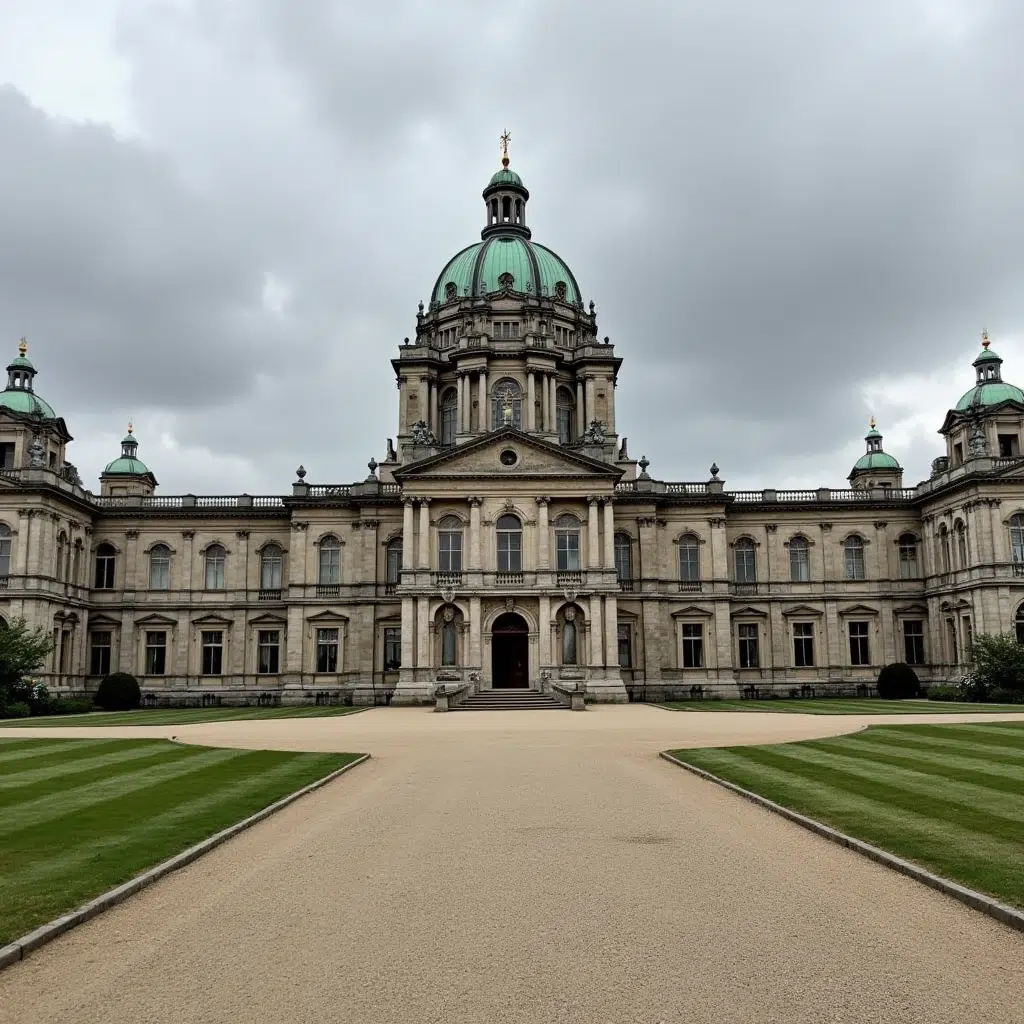
The restoration of “Ally Pally” recovered historical spaces lost for decades while adapting the building for contemporary uses.
Restoration achievements:
– Recovery of the Victorian theatre hidden for 80 years
– Restoration of original decorative elements
– Integration of modern technology while maintaining historical aesthetics
– Creation of educational and cultural spaces
Lessons Learned
The mentioned restorations share several fundamental principles:
Respect for History
The preservation of original elements and respect for historical construction techniques have been priorities in all cases.
The projects demonstrate how historic buildings can be adapted to new uses without losing their essential character.
Sustainability
The integration of sustainable technologies has been carried out with respect for historical heritage.
Accessibility
All projects have managed to improve accessibility while maintaining architectural integrity.
Conclusion
These examples demonstrate that successful restoration requires a delicate balance between historical preservation and contemporary adaptation. Both in Spain and the United Kingdom, the most outstanding projects have managed to maintain historical authenticity while adapting buildings for 21st-century needs.
[Original References section maintained with translations of descriptions where appropriate]
Note: All publication dates and links should be verified, as they may have been updated. It is recommended to consult the latest available editions.
Discover more about our commitment to architectural restoration and how Pacheco Arquitectos works to preserve history through design and innovation. Explore our featured projects and specialized services on our website.