Introduction: The Spanish Architectural Dialogue
Spain’s urban landscapes tell a fascinating story of architectural evolution, where centuries-old stone structures stand in compelling conversation with cutting-edge contemporary designs. This dialogue of traditional vs contemporary architecture has become particularly pronounced in cities like Alicante and Murcia, where innovative architects are redefining how new construction can honour the past while boldly embracing the future.
The relationship between traditional and contemporary architecture in Spanish cities is not merely a matter of old versus new. Rather, it represents a sophisticated cultural negotiation that reflects Spain’s complex history, regional identity, and architectural ambitions in the 21st century. Understanding this dialogue requires examining both the historical foundations that shaped Spanish architecture and the contemporary movements that are transforming it.

The Foundation: Traditional Architecture as Cultural DNA
Spanish traditional architecture developed over millennia, shaped by diverse cultural influences from Roman engineering to Islamic design, Gothic grandeur to Baroque exuberance. In the southeast regions of Alicante and Murcia, this architectural DNA manifests in distinctive ways that continue to influence contemporary design decisions.
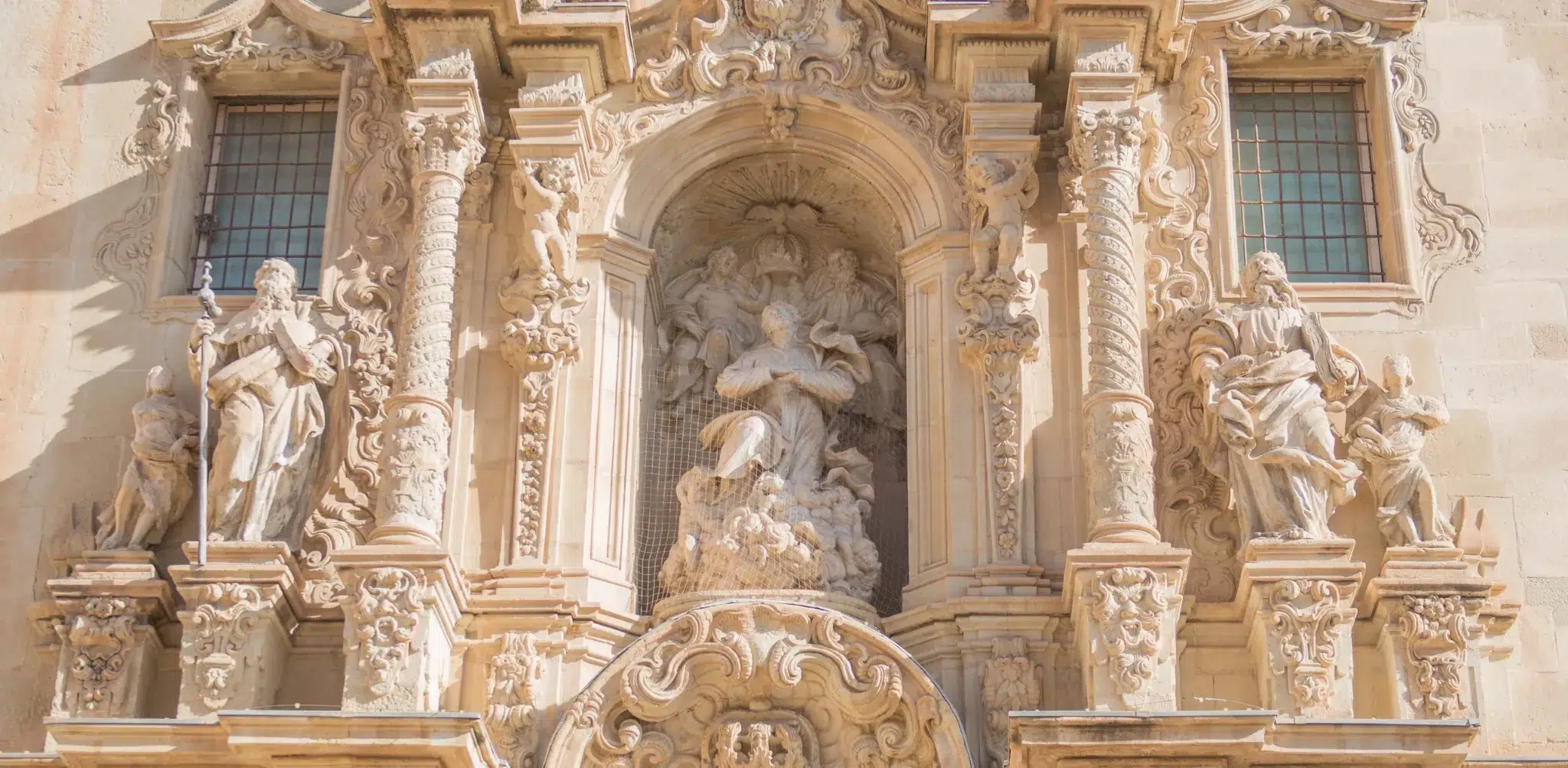
The traditional architecture of Alicante draws heavily from Mediterranean coastal influences, with its characteristic use of local stone, terracotta roofing, and designs optimised for the warm climate. The city’s historic centre showcases its heritage through landmarks like the Basilica of Santa María, built on the remains of a major mosque from the Islamic period, which represents the layering of architectural traditions that defines Spanish urbanism.
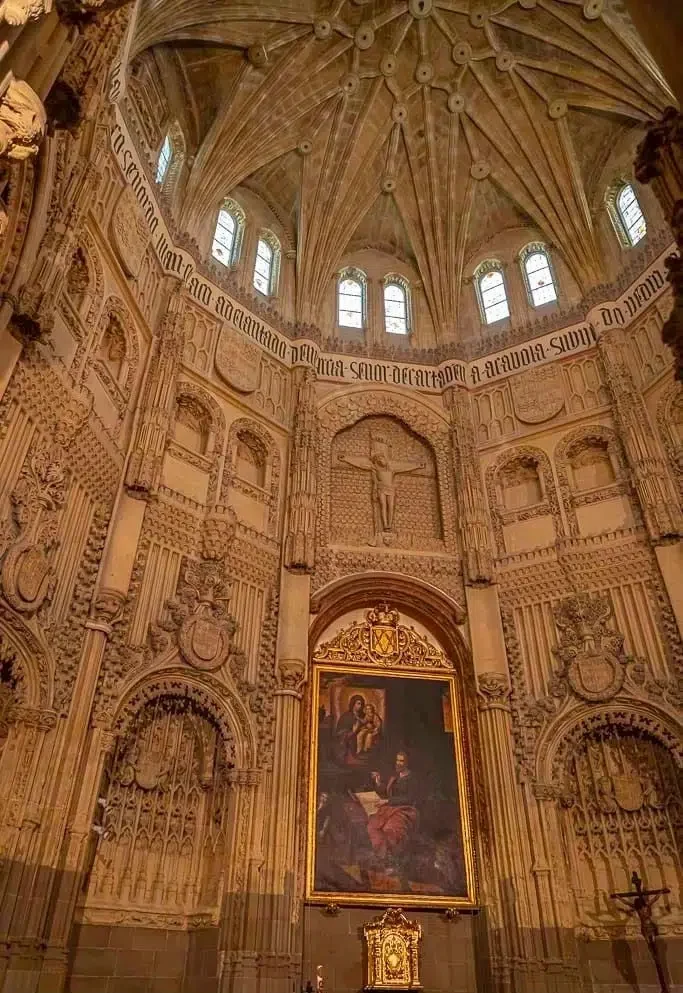
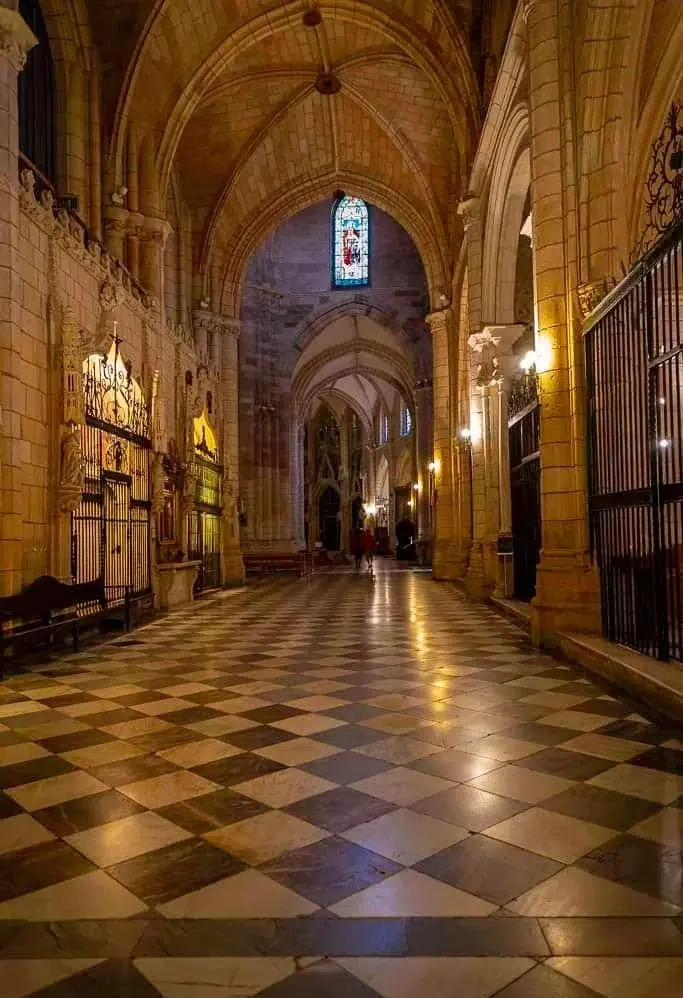
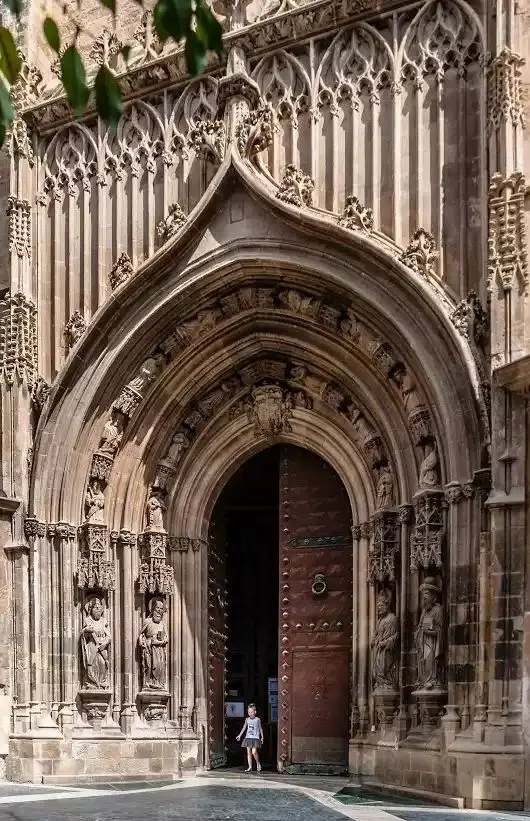
Murcia’s traditional architecture tells a similarly complex story. The city’s cathedral, begun in 1394 and completed over several centuries, exemplifies the evolution of architectural styles within a single structure. Its Gothic foundation supports Renaissance additions and Baroque flourishes, creating what architectural historians call an “eclectic masterpiece” that demonstrates how Spanish architecture has always been about dialogue rather than rigid adherence to single styles.
The Contemporary Revolution: New Languages for Ancient Cities
The arrival of contemporary architecture in Spanish cities during the late 20th century marked a profound shift. Rather than simply importing international modernist styles, Spanish architects began developing distinctive approaches that acknowledged their cultural context while pushing architectural boundaries.
Alicante’s Architectural Renaissance
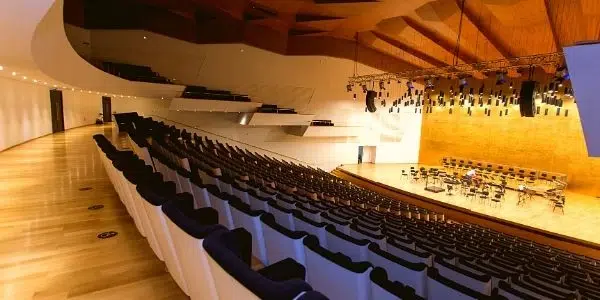
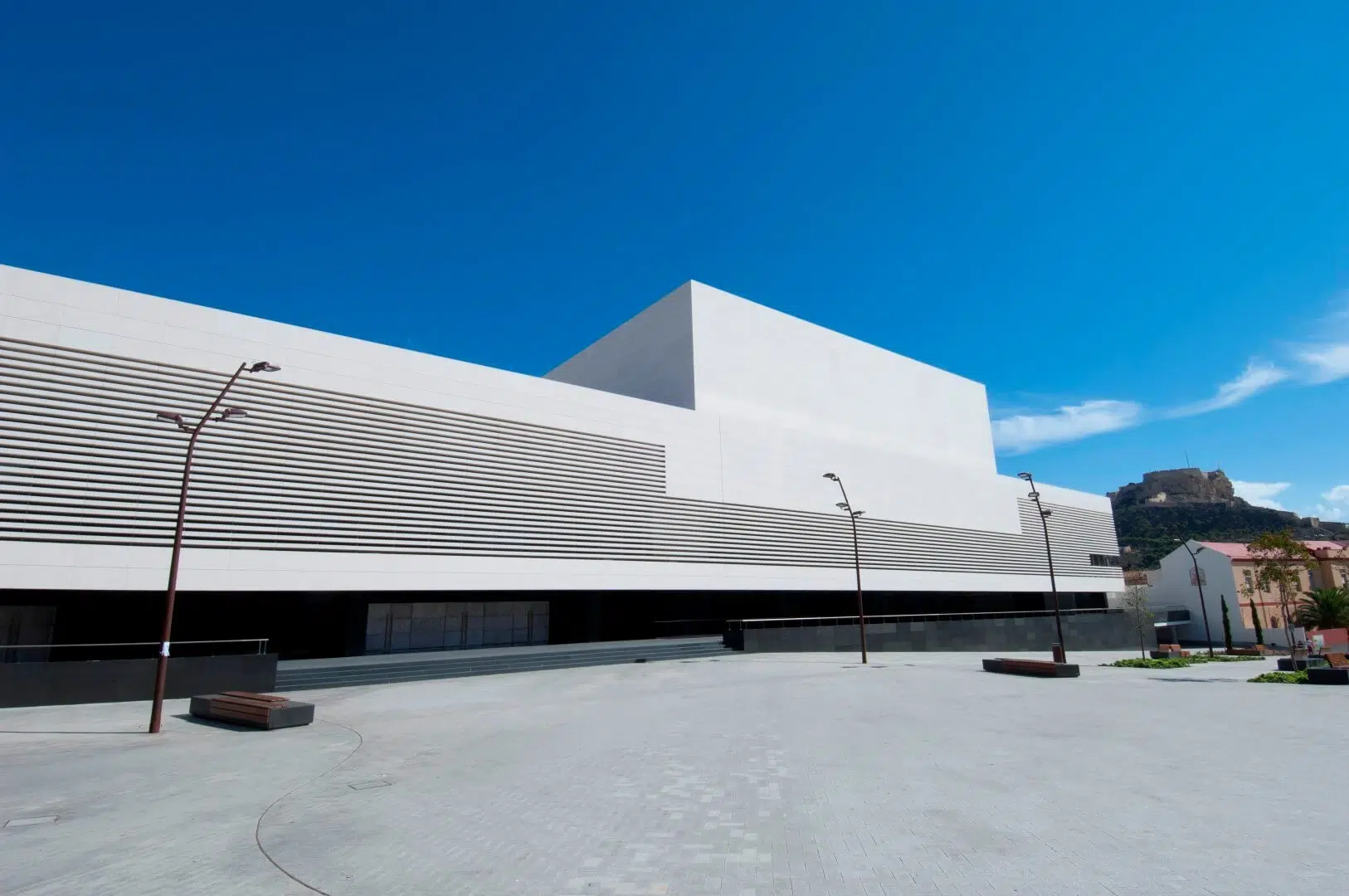
Alicante’s contemporary architectural scene demonstrates this thoughtful approach to modernisation. The Auditorio de Alicante, designed by Juan Antonio García Solera, represents “the culmination work of a great master from Alicante” with its impressive use of local stone and spatial grandeur. This building illustrates how contemporary architecture can achieve monumentality while respecting regional material traditions.
The TRAM station by Subarquitectura, realised in 2007, has achieved “impressive international recognition” for its “spectacular originality”. This project demonstrates how infrastructure can become architectural art, transforming utilitarian transport hubs into urban landmarks that enhance the city’s contemporary identity.
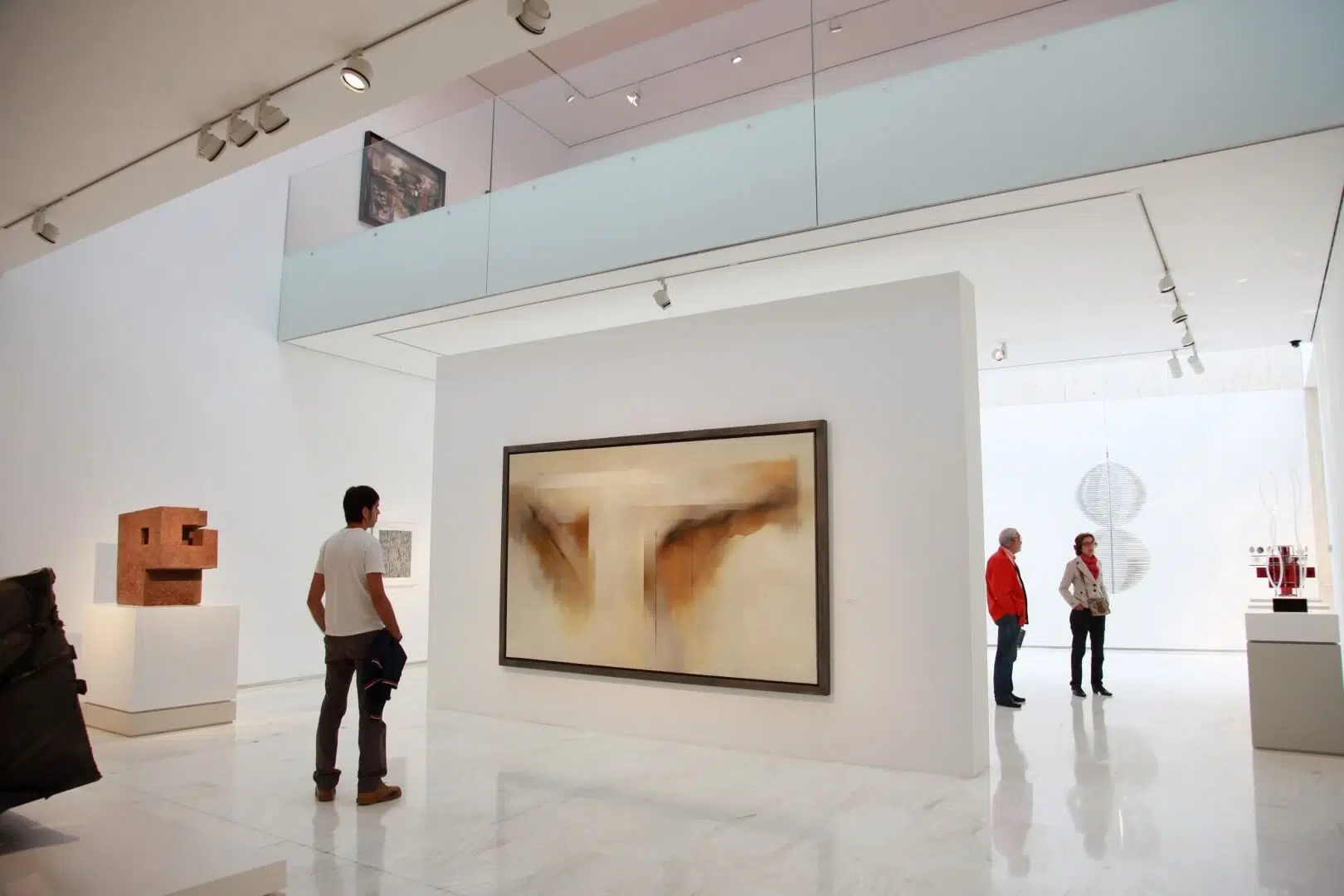
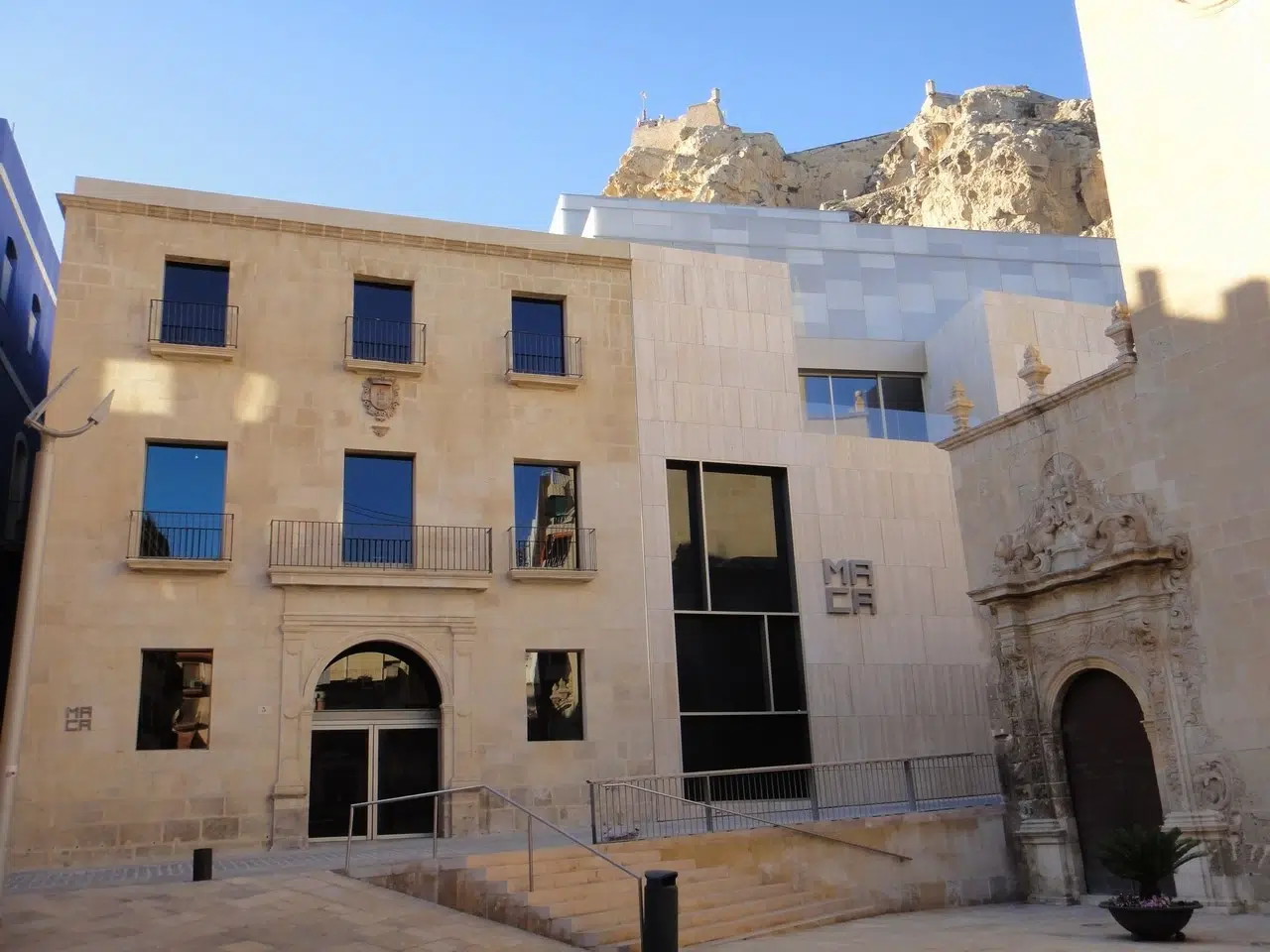
The Museum of Contemporary Art of Alicante (MACA), designed by Sancho and Madridejos, represents another successful example of architectural dialogue. The transformation of the Casa de la Asegurada into MACA in 2011 showed how historic structures can be adapted for contemporary cultural uses, preserving architectural heritage while creating spaces for modern artistic expression.
The Casa Carbonell, built between 1922 and 1925 by architect Juan Vidal Ramos, combines “modernist and neo-baroque elements” in an eclectic style that bridges traditional and modern approaches. This building demonstrates how early 20th-century architecture began the dialogue between past and future that continues today.
Murcia’s Architectural Dialogue
Murcia presents perhaps the most dramatic example of traditional-contemporary architectural dialogue in Spanish cities. The new Ayuntamiento building by Rafael Moneo, completed in 1998, is positioned “in Plaza Belluga, facing the imposing Cathedral,” where the architect “focused on enhancing the already present architectures, creating a dialogue between the old and new building”.
This project by Moneo, recipient of the Pritzker Prize, demonstrates how contemporary architecture can engage respectfully yet boldly with historic contexts. The building has been described as “a postmodern work of art that provided a masterful lesson in dialogue with history” despite initial harsh criticism. The project transforms the plaza into what critics have poetically called “a gigantic urban ring” where the cathedral and contemporary building engage in architectural dialogue.
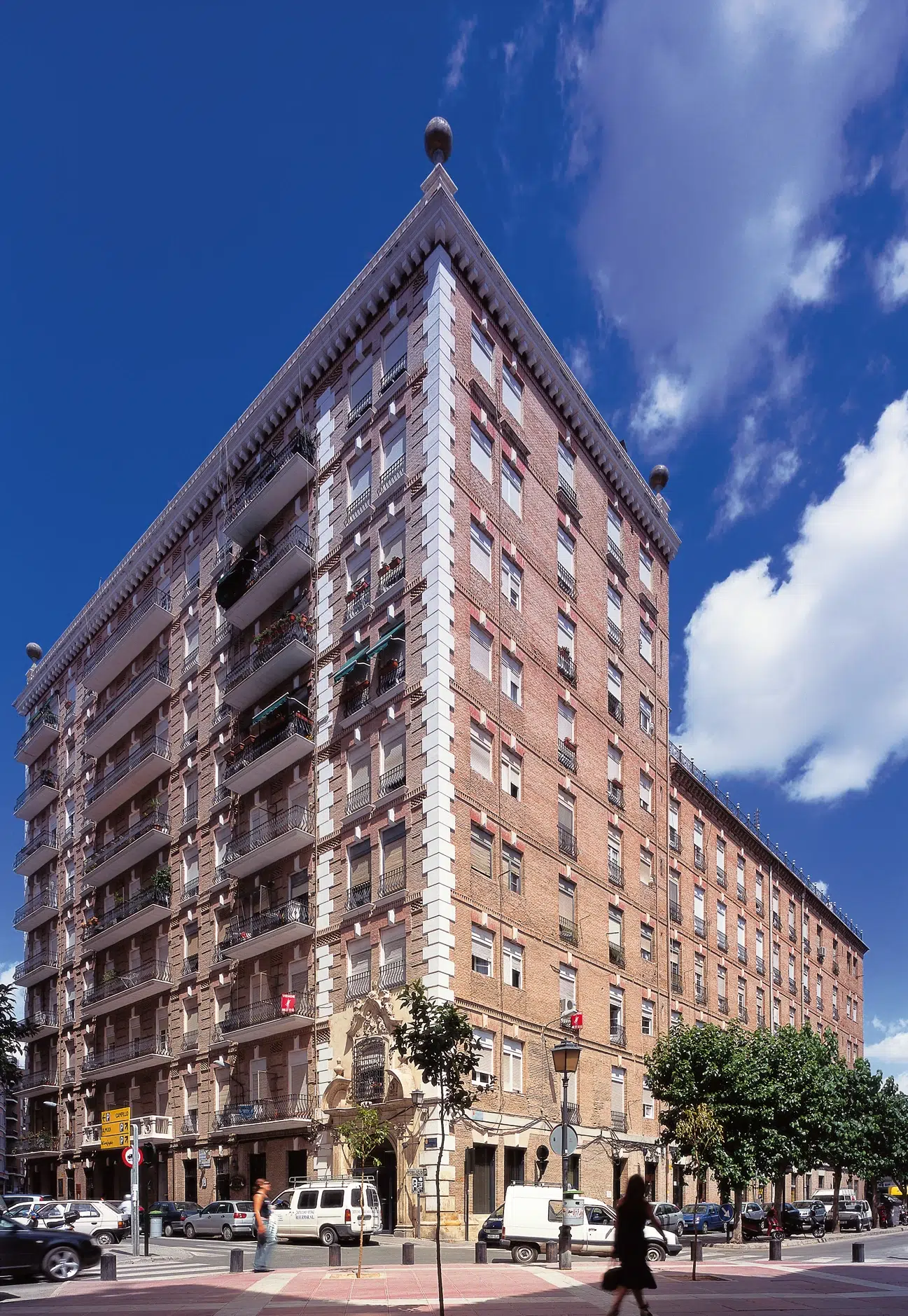
The modernist heritage in Murcia includes significant works like the Casa de los Nueve Pisos, built between 1914 and 1941 by architect José Antonio Rodríguez, combining “metal structure and brick masonry inspired by the new constructions of the great American cities”. This building represents early 20th-century attempts to bring international modernist ideas to traditional Spanish cities.
The Integration Challenge: Success Stories and Lessons Learned
The dialogue between traditional and contemporary architecture in Spanish cities has produced both triumphant successes and valuable learning experiences. The most successful projects demonstrate several key principles that other cities worldwide are beginning to adopt.
Material Continuity with Formal Innovation
Many successful contemporary buildings in Alicante and Murcia maintain connections to traditional architecture through material choices while exploring new formal possibilities. Local stone, traditional brick, and regional ceramic tiles appear in contemporary projects, creating visual continuity even when architectural forms dramatically depart from historical precedents.
Murcia’s contemporary buildings, like the Auditorio and Centro de Congresos Víctor Villegas and the Museo de la Ciencia y el Agua represent “contemporary projects that seek to harmonise tradition with modernity” through their “avant-garde design that brings new dynamism to the urban landscape”.
Contextual Response and Urban Integration
The most successful contemporary interventions demonstrate a sophisticated understanding of their urban contexts. Rather than creating isolated architectural objects, these projects strengthen the urban fabric while introducing contemporary elements.
The College of Architects of Alicante has recognised this potential, launching initiatives under the slogan “Trip to contemporary Spanish architecture in Alicante” to promote architectural tourism and cultural understanding. This recognition of architecture as cultural patrimony demonstrates how successful dialogue between traditional and contemporary styles can become economic and cultural assets.
Scale and Proportion Sensitivity
Successful contemporary architecture in historic Spanish cities demonstrates careful attention to scale relationships with the existing urban fabric. Rather than overwhelming historical structures, the best contemporary projects establish respectful scale relationships while maintaining their own architectural integrity.
Regional Innovation and Global Recognition
The architectural dialogue in Alicante and Murcia has gained international attention for its sophisticated approach to heritage integration. The Institute Juan Gil-Albert has launched “PAC. Paseos de arquitectura contemporánea” (Contemporary Architecture Walks) to highlight “the quality of design of constructions in the province” that “despite their relevance and innovation, sometimes go unnoticed”.
This recognition extends beyond regional boundaries. Projects like the Auditorio de Teulada-Moraira are considered “one of the landmarks in Alicante architecture of this century”, demonstrating how regional architectural innovation can achieve national and international significance.
Sustainable Traditions: Environmental Lessons from the Past
Contemporary Spanish architects are increasingly discovering that traditional building practices offer valuable lessons for sustainable design. In Sevilla, “some modern buildings have been inspired by traditional constructions and have installed fountains surrounded by trees in their central courtyards to reduce temperature”, demonstrating how traditional environmental strategies can inform contemporary sustainable design.
This approach resonates strongly in the Mediterranean climate of Alicante and Murcia, where traditional architecture developed sophisticated strategies for managing heat and maximising natural ventilation. Contemporary architects are rediscovering these techniques and incorporating them into cutting-edge sustainable design strategies.
Urban Regeneration Through Architectural Dialogue
The integration of contemporary architecture into traditional Spanish cities has proven to be a powerful tool for urban regeneration. New cultural buildings, updated infrastructure, and innovative housing projects have revitalised historic neighbourhoods while preserving their essential character.
Projects like the Centro Medioambiental CEM El Captivador de La Nucía, realized by studio Crystalzoo in 2009, have “created a model of sustainable construction executed under strict bioclimatic architecture”, showing how contemporary architecture can address both cultural and environmental challenges.
Challenges and Future Directions
Despite numerous successes, the dialogue between traditional and contemporary architecture in Spanish cities continues to face challenges. Rapid urban development pressure, changing economic conditions, and evolving cultural values create ongoing tensions that architects and urban planners must navigate.
The experience of cities like Alicante and Murcia suggests that successful architectural dialogue requires:
Community Engagement: Projects that succeed long-term demonstrate genuine engagement with local communities and cultural values. Architecture cannot be imposed from outside but must emerge from an understanding of place and people.
Institutional Support: Spain’s commitment to architectural innovation, with “Spanish architects like Rafael Moneo, Santiago Calatrava and Ricardo Bofill becoming international references”, demonstrates the importance of institutional support for architectural experimentation and cultural dialogue.
Educational Initiatives: Programs that help communities understand and appreciate both traditional and contemporary architecture create foundations for successful future projects.
Conclusion: A Model for Global Urban Development
The architectural dialogue occurring in Spanish cities like Alicante and Murcia offers valuable lessons for urban development worldwide. Rather than viewing traditional and contemporary architecture as opposing forces, these cities demonstrate how thoughtful integration can create urban environments that honour the past while embracing the future.
This approach creates cities that are both rooted in cultural identity and open to innovation. The result is architecture that serves not just functional needs but also cultural continuity, environmental sustainability, and civic pride.
The success of projects that combine “understanding of the values of cultural, heritage, material and landscape tradition, creating new and avant-garde architecture that respects and, at the same time, values the historical legacy” demonstrates that the dialogue between traditional and contemporary architecture can produce results that transcend either approach alone.
For architecture enthusiasts, urban planners, and anyone interested in how cities can evolve while maintaining their essential character, the Spanish experience offers a compelling model. In Alicante and Murcia, the conversation between old and new continues to generate architecture that speaks both to the past and to the future, creating urban environments that enrich the lives of their inhabitants while inspiring visitors from around the world.
The architectural dialogue in Spanish cities proves that tradition and innovation need not be enemies. Instead, they can become creative partners in building cities that honour their heritage while boldly embracing the possibilities of contemporary design.
Do you have a project that aims to balance the classical and the modern? At Pacheco Architects, we help you merge traditional vs contemporary architecture with creativity and contextual respect.